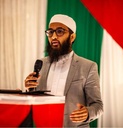
Day 1: Arrival in the Blessed Land
Friday 14 February
The journey began from London Luton, where we boarded a flight to Amman. Flying into Jordan through Wizz Air was significantly cheaper than flying directly elsewhere in the region, so the route through Amman made the most sense. It was also my first time flying with Wizz Air, and alḥamdulillāh the journey was smooth and uneventful.
As the plane descended into Amman, the lights of the city spread across the hills beneath us. There is something about arriving in this part of the world that immediately feels different. The lands surrounding Bayt al-Maqdis carry a weight of history and a depth of barakah that cannot be ignored. Even before reaching Jerusalem itself, one feels the nearness of lands that have witnessed prophets, scholars, and generations of believers.
We landed in the evening and made our way through immigration. Entry into Jordan was straightforward, and we obtained a single-entry visa. This was important because the Israeli occupation authorities do not stamp passports, instead issuing entry cards. Many travellers therefore enter through Jordan with this in mind.
During the process, however, one of the brothers travelling with us was briefly stopped and questioned by the Jordanian authorities. Alḥamdulillāh it was resolved without issue, but it served as a small reminder that travelling in this part of the world carries layers of scrutiny and uncertainty. In many ways, it was just a glimpse of the kind of realities that awaited us as we moved closer toward Bayt al-Maqdis.
After leaving the airport we made our way into the city. Our accommodation for the night was the Toledo Hotel in Amman, a comfortable place to rest before continuing the journey the following day. After settling in briefly, hunger quickly pushed us back out into the streets.
We headed towards Ajwa Restaurant on King Faisal Street, a well-known spot in the city. The food was excellent, simple, generous, and full of flavour in the way that food across this region often is. Meals during travel often become small moments of reflection; sitting there in Amman, we were conscious that this was the beginning of a journey toward some of the most sacred places in the Muslim world.
No visit to Amman would feel complete without something sweet, so we made a final stop at the famous Habibah Sweets. Their kunāfah is known throughout the region, and it certainly lived up to its reputation. Warm, rich, and perfectly balanced between sweetness and texture, it was the perfect ending to the evening.
With that, we returned to the hotel to rest. The night in Amman was brief, but necessary. The real destination of the journey, Bayt al-Maqdis, awaited the following day.
Day 2: Crossing Toward Bayt al-Maqdis
Saturday 15 February
The following morning we left the hotel early and set out toward the King Hussein Bridge border crossing, the main crossing between Jordan and the occupied Palestinian territories. We departed the hotel at 8:30am and arrived at the border around 9:45am.
At first we entered through the normal entrance, but shortly after arriving we were directed toward the VIP section, as we were travelling on British passports. Even before reaching the border, we had taken precautions that many travellers to this region are aware of. Phones had been cleared of unnecessary content, and some had even brought secondary phones, anticipating the level of questioning that can sometimes occur at Israeli checkpoints. It is a reality of travelling to Bayt al-Maqdis under occupation that these considerations must be kept in mind.
Our group consisted of around fifteen people. One family and one older brother were granted entry relatively quickly and received their entry permits almost immediately. The rest of us, two brothers and three sisters, were asked to fill out a form and wait.
The form itself was simple but revealing. It asked questions such as why we had come, where we were from, where we had previously travelled, and other background details. It was noticeable that those asked to complete the forms were all roughly within the 18–30 age range.
What followed was a long wait.
We remained at the border from around 11:00am until 5:36pm. Eventually we were called one by one for questioning. The purpose of these interviews was clearly to determine whether we were perceived as a threat.
The questions covered a wide range of topics. Some were general travel questions, but others touched on religion, belief, and even charity. One of the questions asked about zakāh, where it is spent and how it is distributed. Others asked whether we considered ourselves religious and what our intentions were for visiting.
If I am honest, I did not think I would be allowed through. The atmosphere is designed to make you uncertain. But in reality, the best approach is simply to remain calm, answer honestly, and explain clearly why you are there.
One of the brothers who had earlier been questioned on the Jordanian side was unfortunately told to return back to Jordan that day, not because he had been rejected outright, but simply because the processing time had become too late. It was understandably frustrating. Alḥamdulillāh, the following day he returned and after a one-and-a-half hour interview he was eventually granted entry. The questioning was extensive, covering many personal details, but the principle remained the same: be clear about your purpose and answer truthfully.
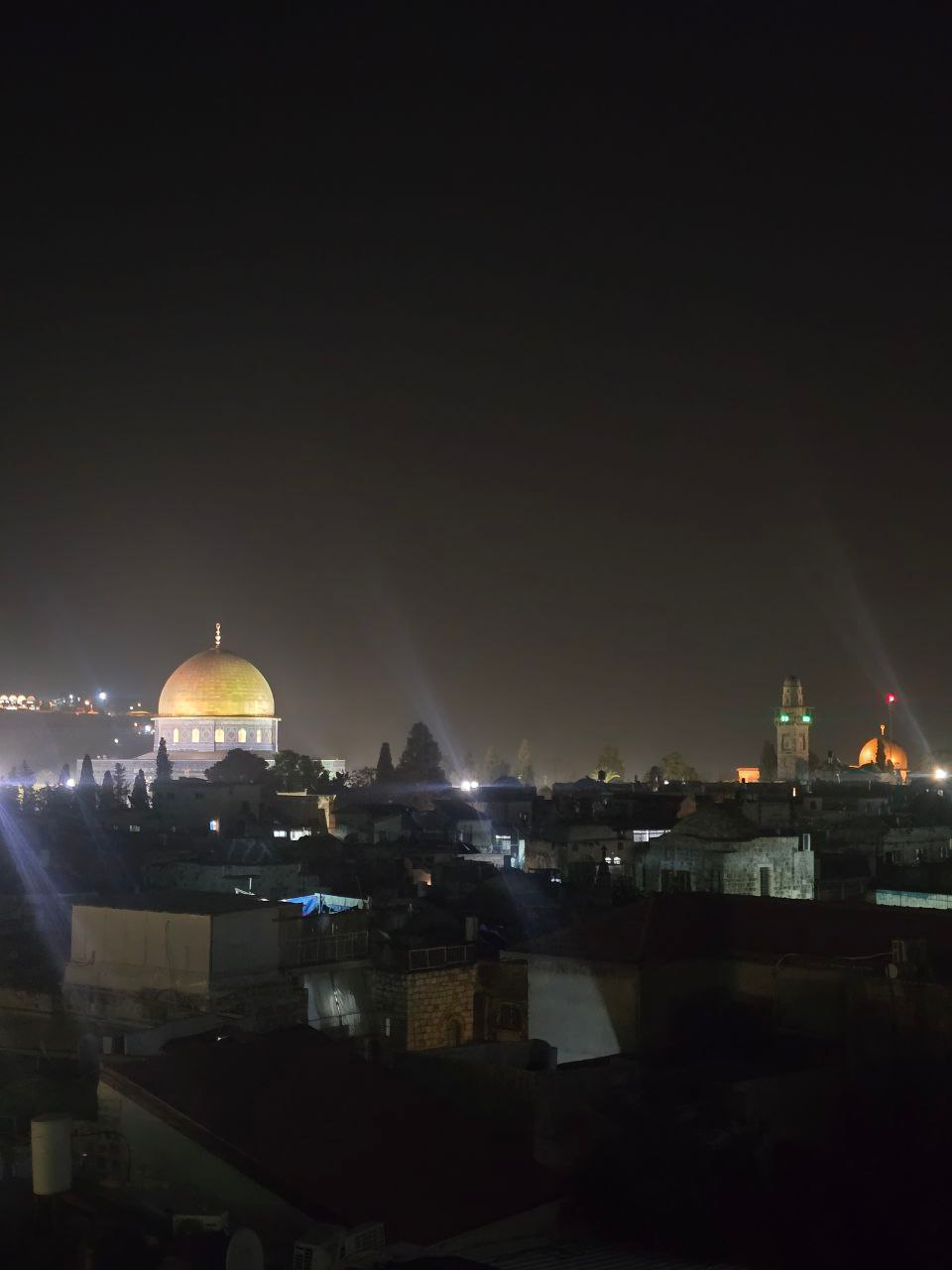
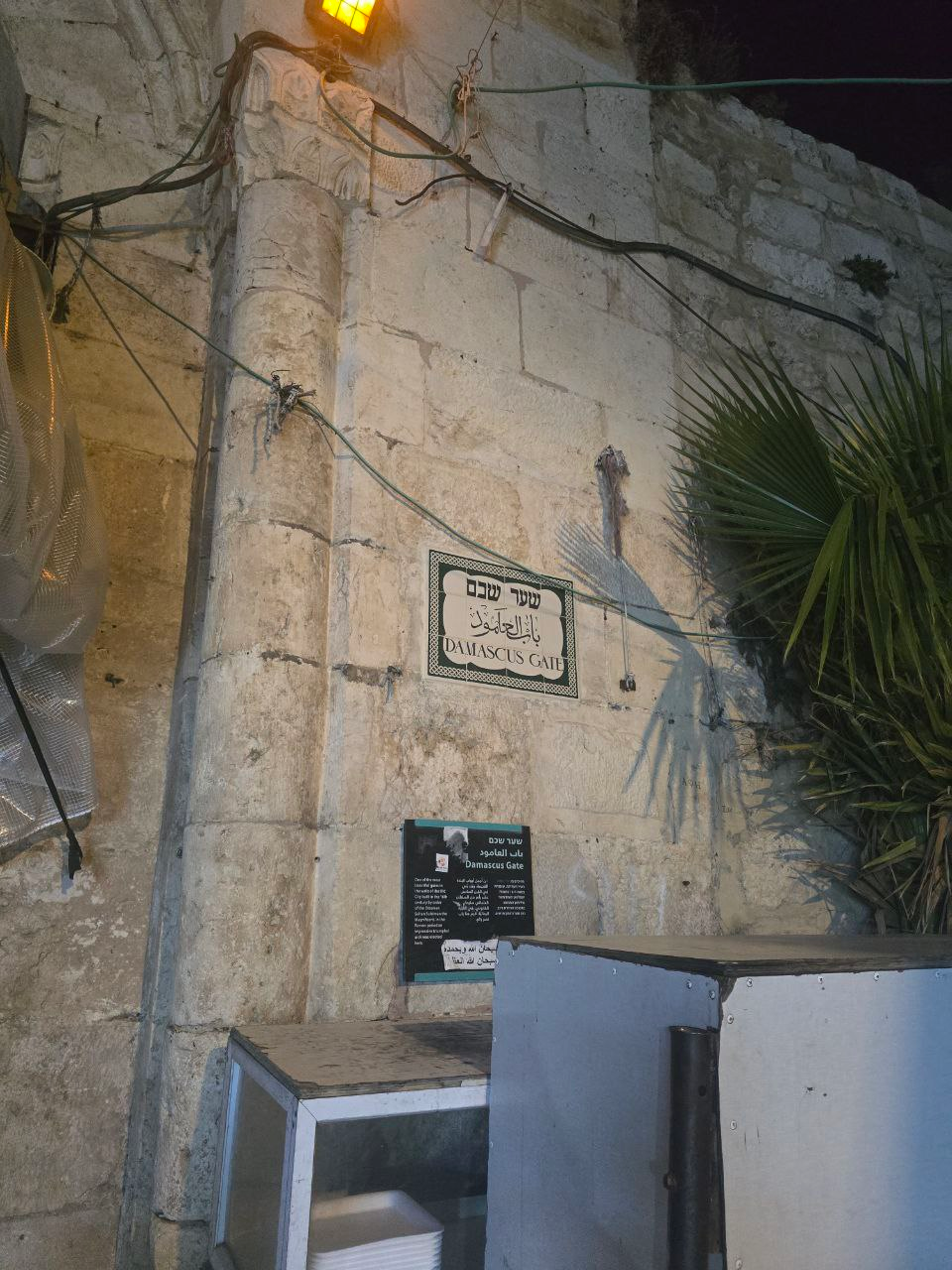
After finally being cleared, we left the border around 5:30pm and drove toward Jerusalem. By 6:30pm we reached the area near Bāb al-ʿĀmūd, Damascus Gate, one of the main entrances into the Old City.
We dropped our belongings at our accommodation, Tuba Guesthouse, which was genuinely beautiful. The guesthouse overlooked the Old City and had an incredible view. It consisted of four rooms: two double rooms, one room accommodating six people, and another accommodating seven, all with private en-suite bathrooms. There was also a balcony and outdoor seating area where guests could sit and overlook the surroundings.
But I barely had time to take any of that in.
As we arrived, the ʿIshāʾ adhān began to echo through the city.
Without hesitation I left everything and ran toward Masjid al-Aqṣā.
Wallāhi, the feeling is something I cannot fully explain. I have visited many masājid around the world, but Al-Aqṣā carries something different. There is a weight in the air, a sense of history and barakah that is difficult to describe.
At the same time, the reality of occupation is impossible to ignore. The presence of armed soldiers, the way they watch and sometimes taunt worshippers even as they allow them through, breaks the heart. You notice quickly that many of those present are elderly Palestinians, because restrictions often prevent younger people from entering freely.
Yet despite all of this, the masjid remains alive.
This is the heart of the believers.
Every prophet prayed in this land. The Prophet ﷺ himself came here on the night of al-Isrāʾ before his ascension during al-Miʿrāj. Generations of scholars, worshippers, and believers have passed through these courtyards.
One could write endlessly about its virtues, but entire books have already been written on the subject.
Day 3:Within the Sanctuary
Monday 16 February
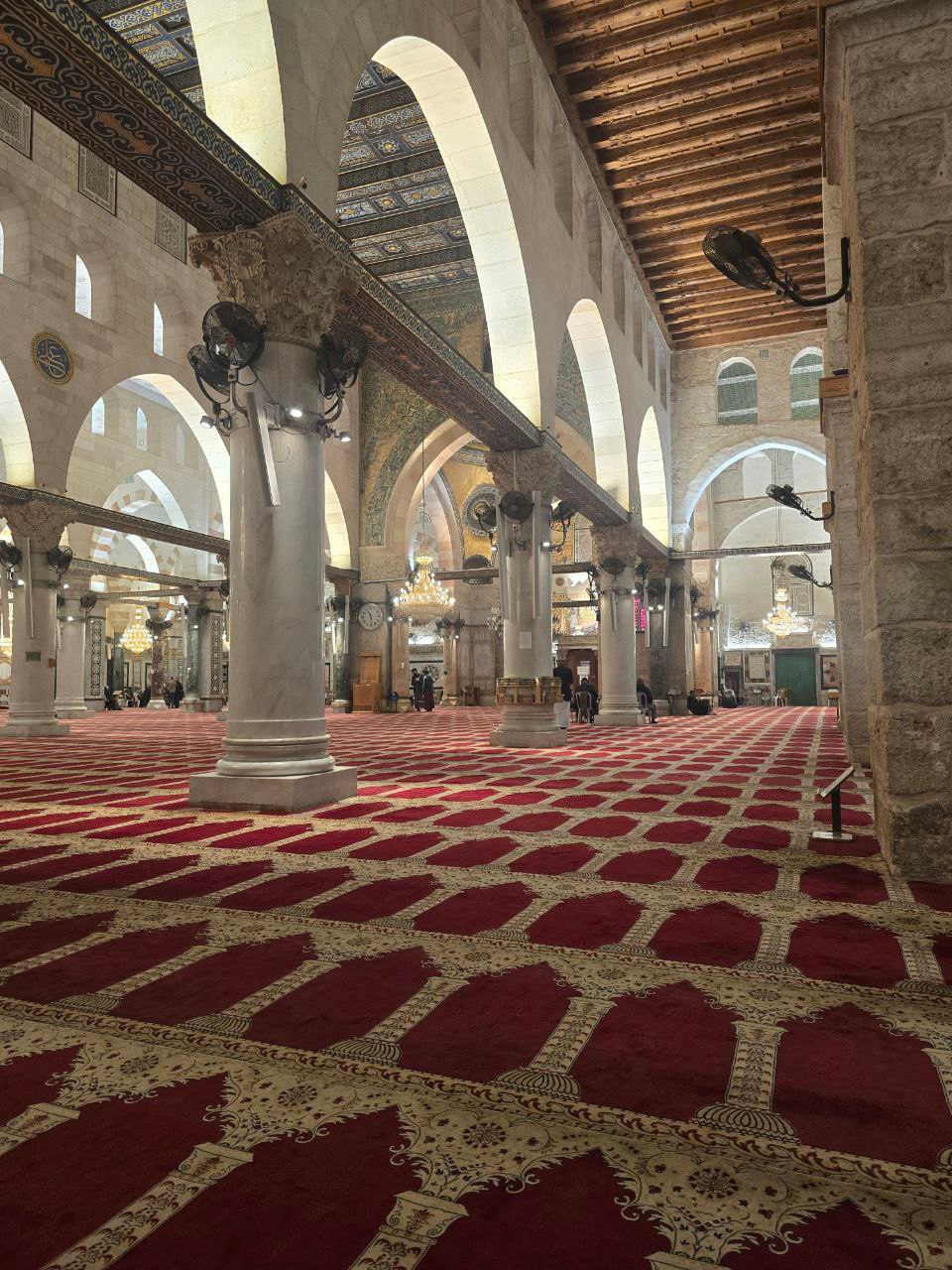
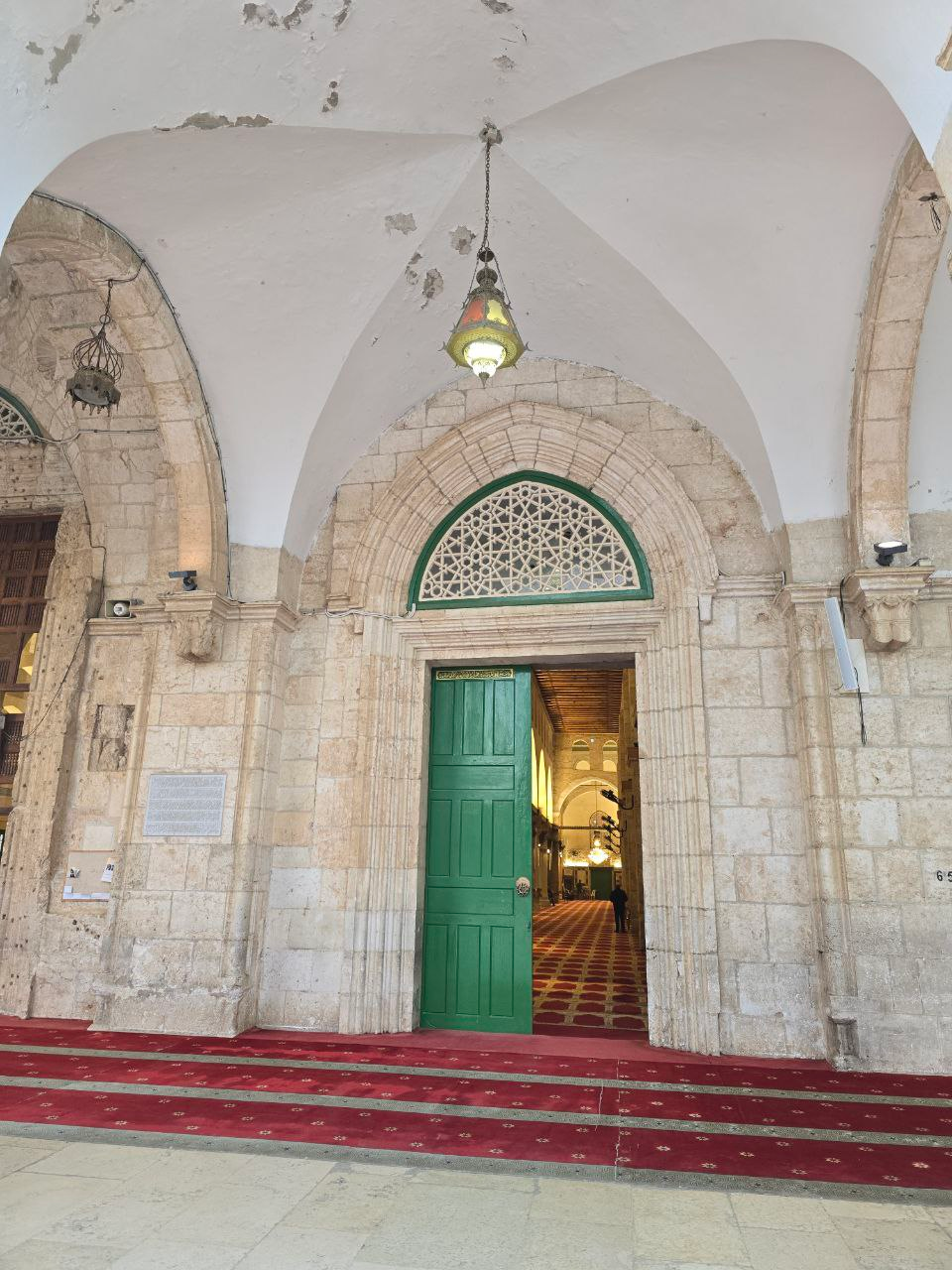
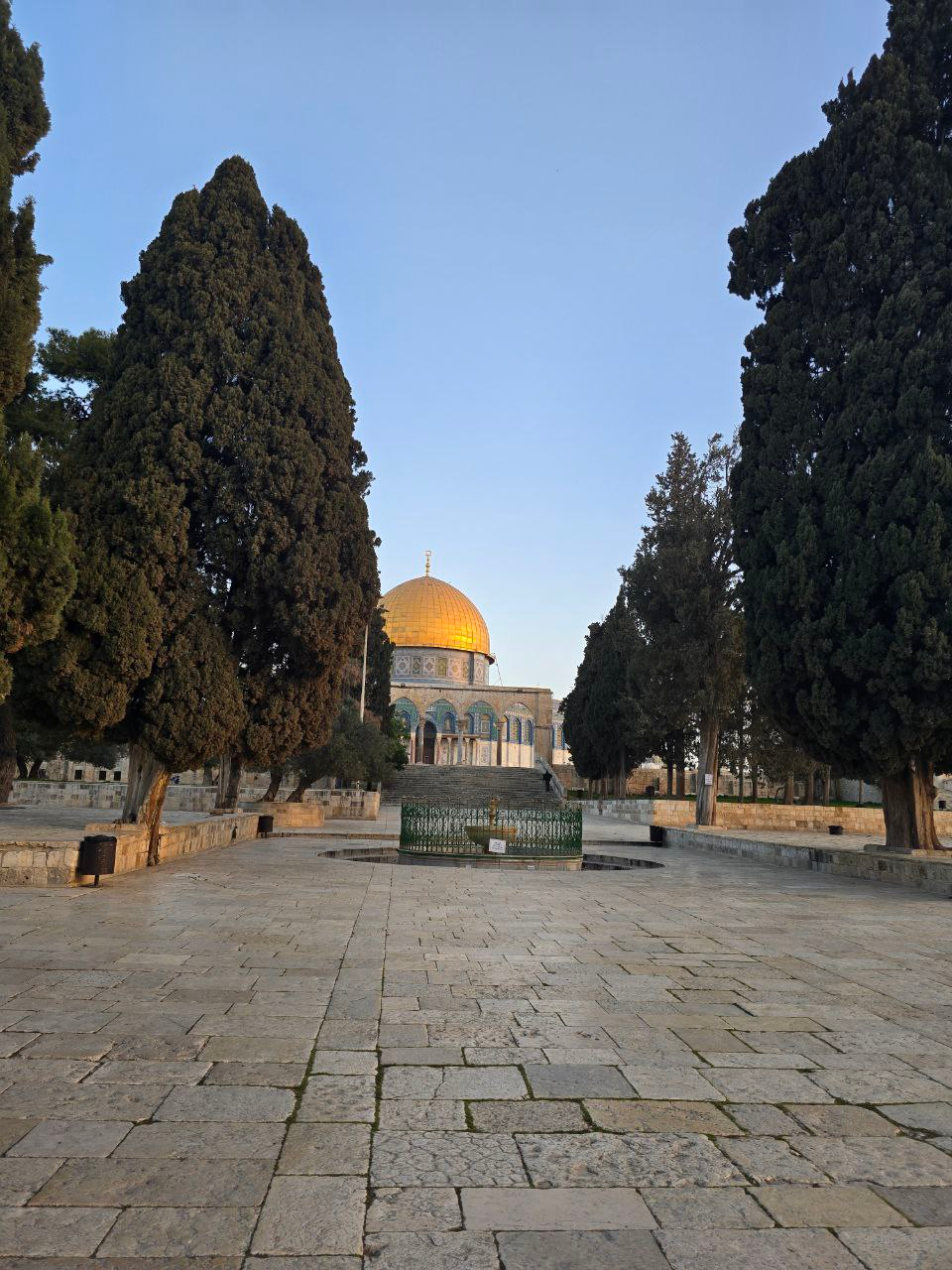
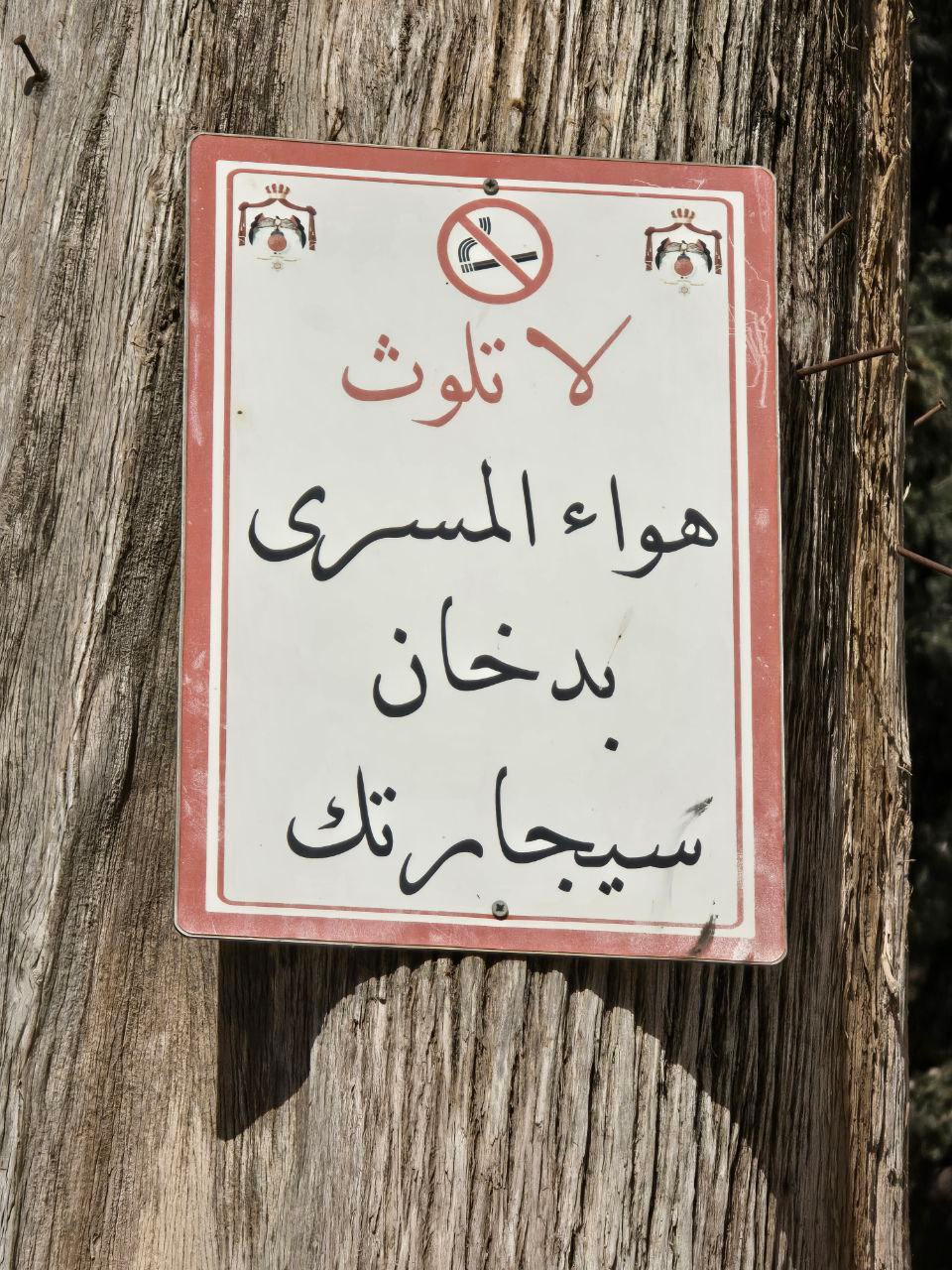
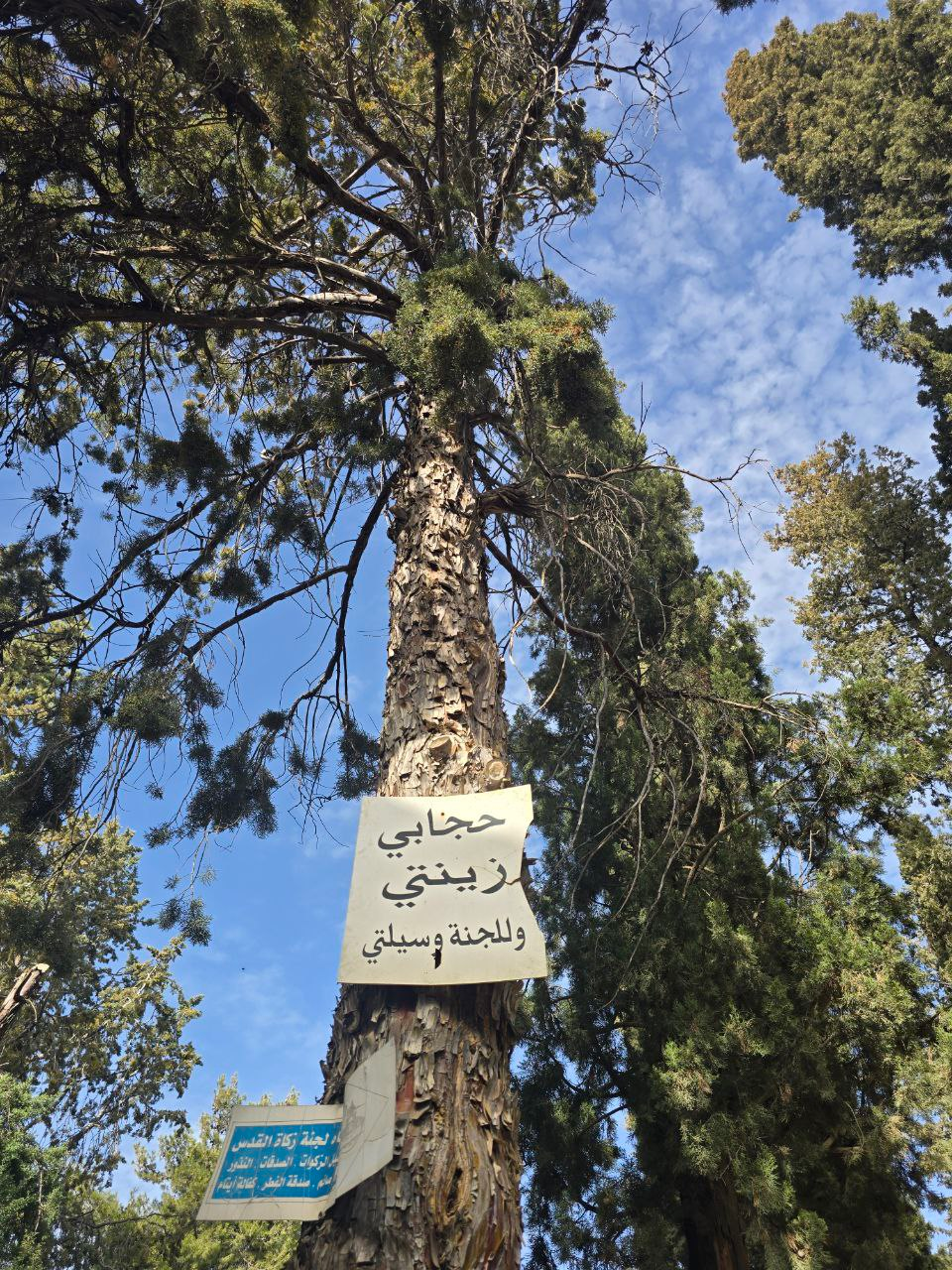
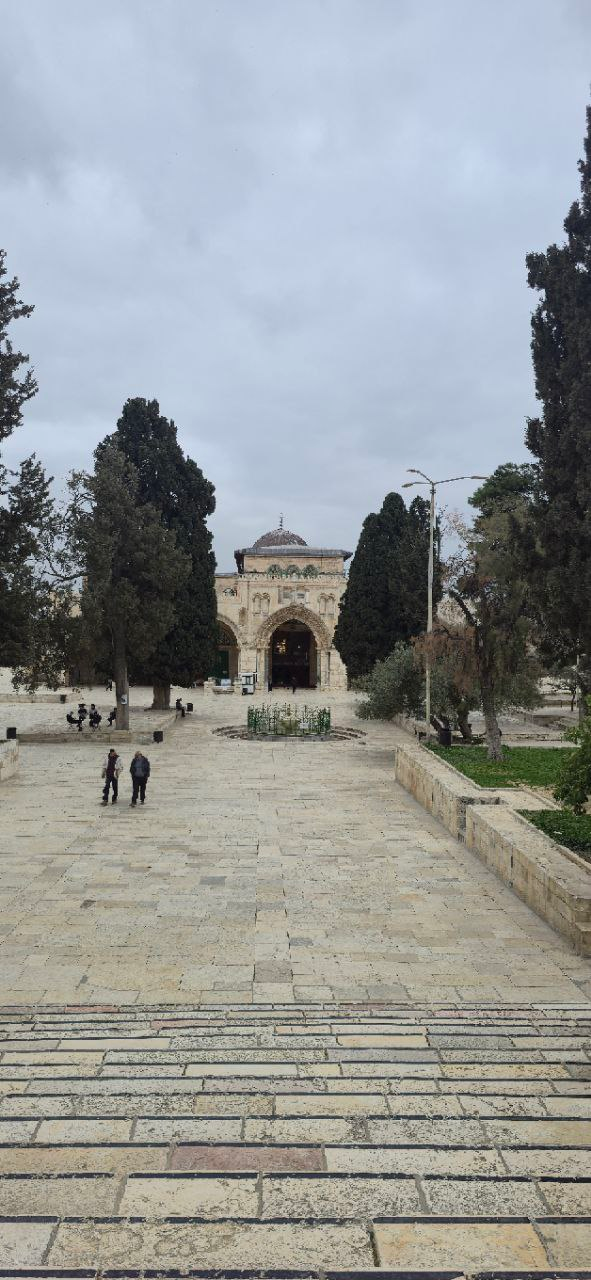
Monday was a quieter day. After the long journey and the difficulties of the border crossing the day before, we spent most of the time simply walking through the area of Masjid al-Aqṣā and its surroundings, taking in the space and becoming familiar with the sanctuary itself.
Many people often speak about the Dome of the Rock and Masjid al-Qiblī, and understandably so. The Dome of the Rock holds immense historical significance, while Masjid al-Qiblī, the southern prayer hall, is the masjid associated with the structure built during the time of ʿUmar ibn al-Khaṭṭāb (raḍiyAllāhu ʿanhu) when the Muslims first entered Jerusalem. But the reality is that the entire compound is Masjid al-Aqṣā. Within it are many different prayer areas and musallās, including places like Musallā Marwān, along with numerous smaller prayer spaces spread throughout the sanctuary.
Entire books have been written about the virtues, history, and significance of these places. I do not want to go too deeply into that here, because much of it requires careful verification, and many scholars have already produced detailed works on the subject. The purpose of this blog is simply to share our experience of being there.
One aspect that quickly becomes part of daily life in Jerusalem is dealing with the Israeli guards and soldiers stationed around the entrances of the compound.
For the most part, during our time there, the guards allowed us entry without too much difficulty. On a few occasions they would refuse entry at certain gates, but we would simply walk to another entrance and enter from there. This was relatively rare, and alḥamdulillāh we were able to attend every ṣalāh in Masjid al-Aqṣā during our stay.
I have heard of many people who travel all the way to Jerusalem and are not able to enter at all, so we recognised that this was a blessing.
Even as I write this, the situation continues to change. Today marks the sixth consecutive day that Masjid al-Aqṣā has been closed, and it is Jumuʿah, yet the masjid remains shut to worshippers. Such closures are often justified by various political or security developments, but many locals will tell you that these explanations are frequently used as a pretext to further restrict access to the sanctuary.
The behaviour of some of the guards can also be deeply disturbing. At times they would allow women through while mocking them or calling them offensive names, and at other times they would refuse entry to men altogether. Yet even this is still only a fraction of what the Palestinians themselves experience on a daily basis.
For Palestinians, access to their own masjid is heavily restricted. Those who live within Jerusalem may enter, but even they often face age restrictions. For Palestinians from the West Bank, entry usually requires special permits, and many people receive permission perhaps once a year, if that. Even when permits are granted, the journey through checkpoints can involve humiliation, shouting, intimidation, and harassment.
People are taunted, pushed, and treated with open contempt. Some guards bark like dogs at them, shout insults, and deliberately provoke them. It is a form of treatment that would be difficult to imagine in many other parts of the world.
When you travel through the West Bank and see the separation wall, the reality becomes even clearer. The system in place is one that many observers have openly described as apartheid, and witnessing it firsthand makes that description difficult to dispute.
Despite all of this, however, the masjid remains full of life.
People continue to pray.
They continue to return.
And they continue to protect their connection to Masjid al-Aqṣā, no matter how many obstacles are placed in their way.
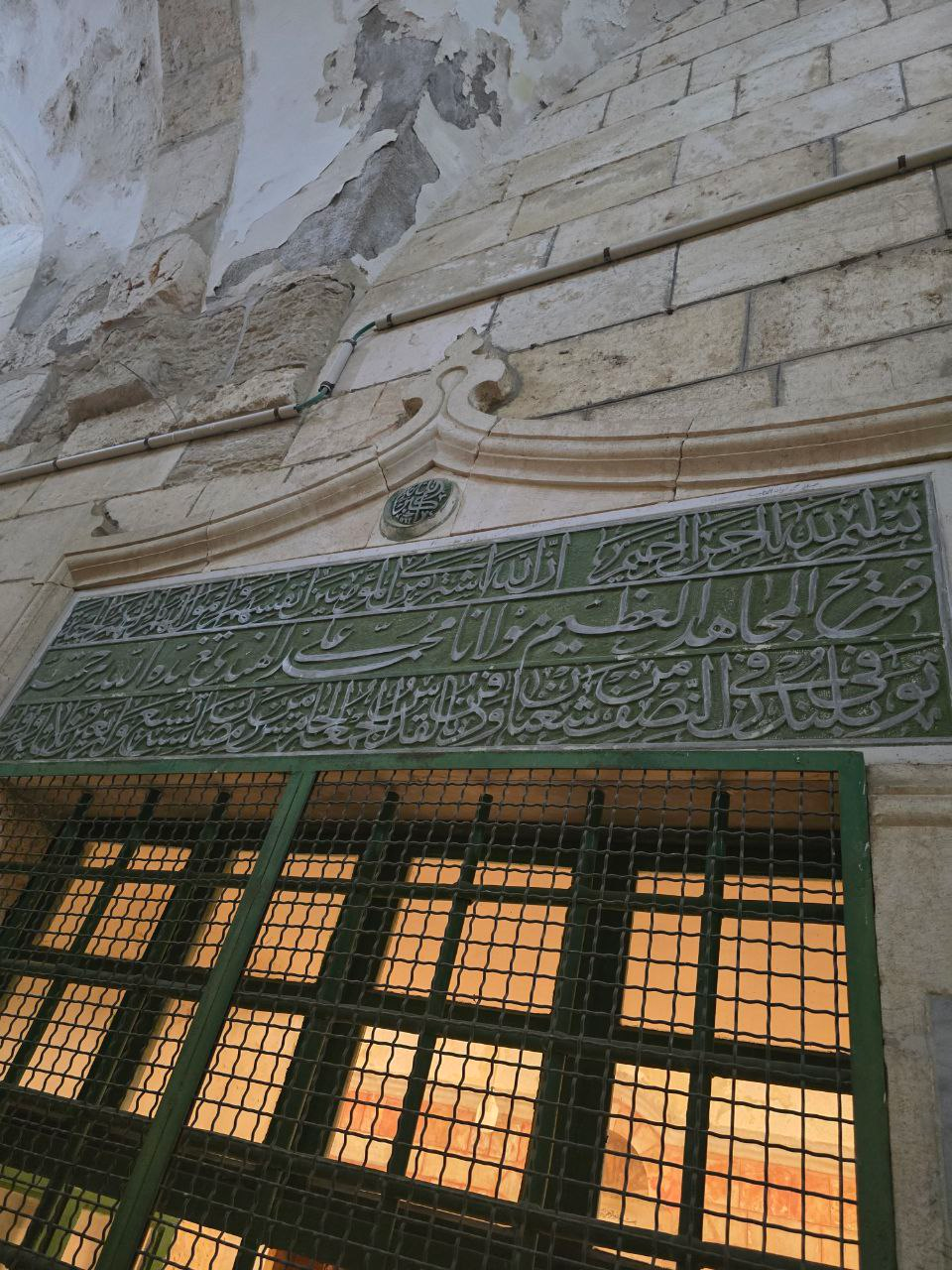
Another detail that struck me while walking through the sanctuary is that even figures from distant parts of the Muslim world are connected to this place. One such example is the Indian freedom fighter Maulana Mohammad Ali Jauhar, who passed away on 4 January 1931. In accordance with his wishes, he was buried within the compound of Masjid al-Aqṣā itself.
His grave lies in the Khātūniyya Madrasa, close to the Dome of the Rock, and the inscription on his grave reads:
“Here lies al-Sayyid Muhammad Ali al-Hindi.”
It is a powerful reminder that the connection to Bayt al-Maqdis has never belonged to one region alone. For centuries, Muslims from across the world have viewed this place as part of their spiritual and historical inheritance.
Day 4: Ziyārāt Across the Blessed Lands
Tuesday 17 February
Tuesday was a day dedicated to ziyārāt, visiting some of the historic and sacred sites surrounding Bayt al-Maqdis. The day itself felt different for another reason as well, because that night marked the first night of Tarāwīḥ for Ramaḍān.
We began the day with Fajr in Masjid al-Aqṣā, something that never becomes ordinary no matter how many times you experience it. Praying Fajr there carries a calm that is difficult to describe. After the prayer we returned briefly to rest before setting out for the day’s visits.
Our first stop was Jabal al-Mukabbir, the place connected to the moment when ʿUmar ibn al-Khaṭṭāb (raḍiyAllāhu ʿanhu) first saw Jerusalem and proclaimed the takbīr. Standing there, overlooking the land, one cannot help but reflect on how different the circumstances were when the Muslims first entered the city compared to the reality today.
From there we travelled to Bethlehem and visited the Church of the Nativity, traditionally associated with the birthplace of ʿĪsā (ʿalayhi al-salām). The layers of history in this region are immense. Within a relatively small area you find sites connected to prophets, companions, and centuries of religious history.
We then travelled to al-Khalīl (Hebron) to visit the Ibrāhīmī Mosque, the site associated with Ibrāhīm (ʿalayhi al-salām) and members of his family. Visiting this place is powerful, but the experience is also heavy. The mosque itself has been heavily restricted, and the security presence is intense. Checkpoints, searches, and separation barriers make the visit far more difficult than it should be.
Around the surrounding area you can clearly see how settlements have made daily life extremely difficult for the Palestinians who live there. The tension is visible, and the sense of injustice is hard to ignore. Locals often approach visitors, sometimes out of desperation, sometimes simply to speak. You feel deeply sorry for them when you realise how much they have endured.
We also visited the Masjid of Prophet Yūnus (ʿalayhi al-salām). Many places in this region are connected in various narrations to different prophets such as Dāwūd and Maryam (ʿalayhim al-salām), although some of these locations now fall under the control of the occupying authorities.
Later in the day we visited the site associated with Prophet Mūsā (ʿalayhi al-salām). Being in that region brought to mind the well-known narration in which Mūsā (ʿalayhi al-salām) asked Allah to allow him to die close to the blessed land of Bayt al-Maqdis. Standing in those lands makes that narration feel far more real.
The day was long, and by the time we returned to Jerusalem we stopped briefly to eat before heading back toward Masjid al-Aqṣā for the first Tarāwīḥ of Ramaḍān.
Praying Tarāwīḥ in Masjid al-Aqṣā is an experience that words struggle to capture. Every prayer within the compound carries the reward of praying in the masjid itself, because the entire area is considered Masjid al-Aqṣā.
As the evening settles in, families begin to gather throughout the courtyards. People sit together in circles making dhikr, sharing food, and speaking quietly with one another. Children run across the open spaces and even play football between the ancient stone pathways. The atmosphere is alive with worship, community, and warmth.
Despite this beauty, the presence of the Israeli soldiers remains constant. They walk through the courtyards as though they control the place, observing everything around them. It creates a strange contrast between the peaceful worship taking place and the visible tension of occupation.
One thing that becomes clear very quickly is that the Palestinians want Muslims from around the world to visit. They repeatedly say that our presence is a form of support and solidarity.
If you look through the LINCS Project Instagram stories, you will see many more moments from this day and the places we visited. The history in these lands is overwhelming, and even a single day of ziyārāt feels like walking through centuries of the Ummah’s story.
It is also worth mentioning that the trip to parts of the West Bank that day was not part of our official itinerary. When travelling through the border crossings, we had simply stated that we were visiting Jerusalem. The additional visits happened informally, but they allowed us to see a deeper reality of the land beyond the Old City.
Day 5: The First Day of Ramaḍān
Wednesday 18 February
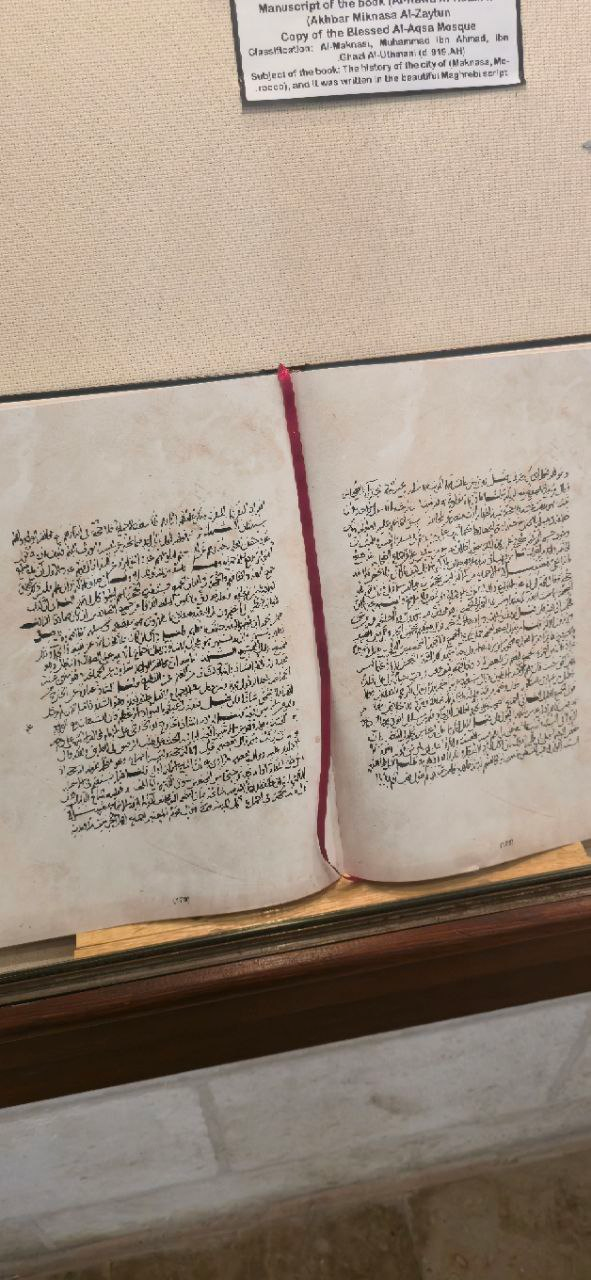
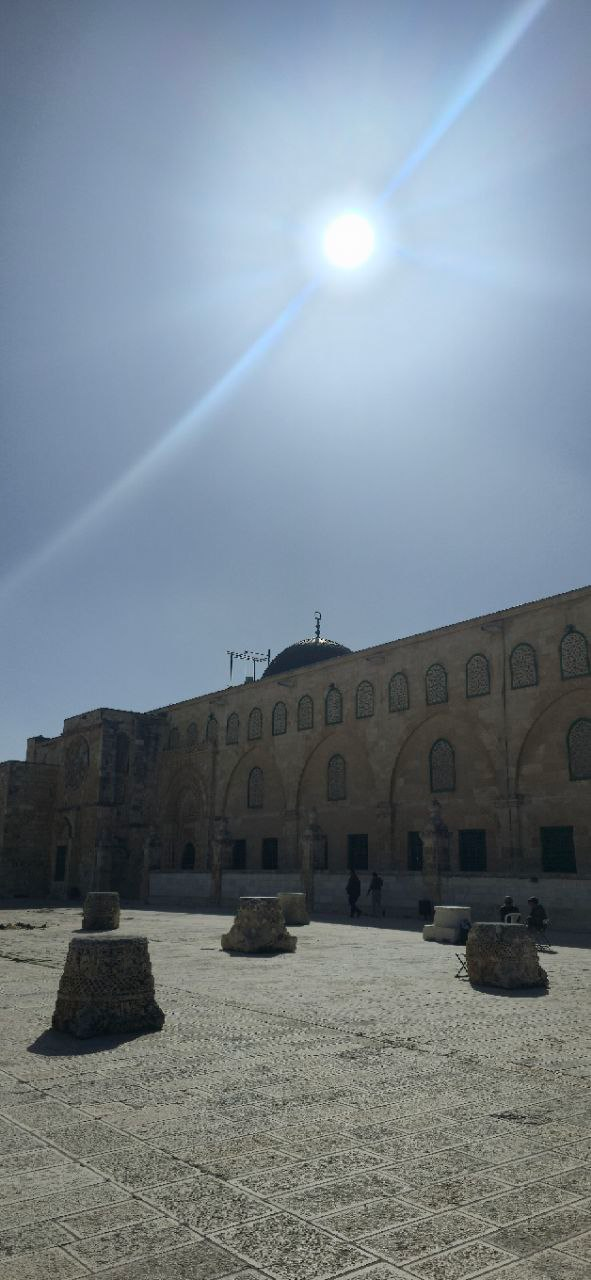
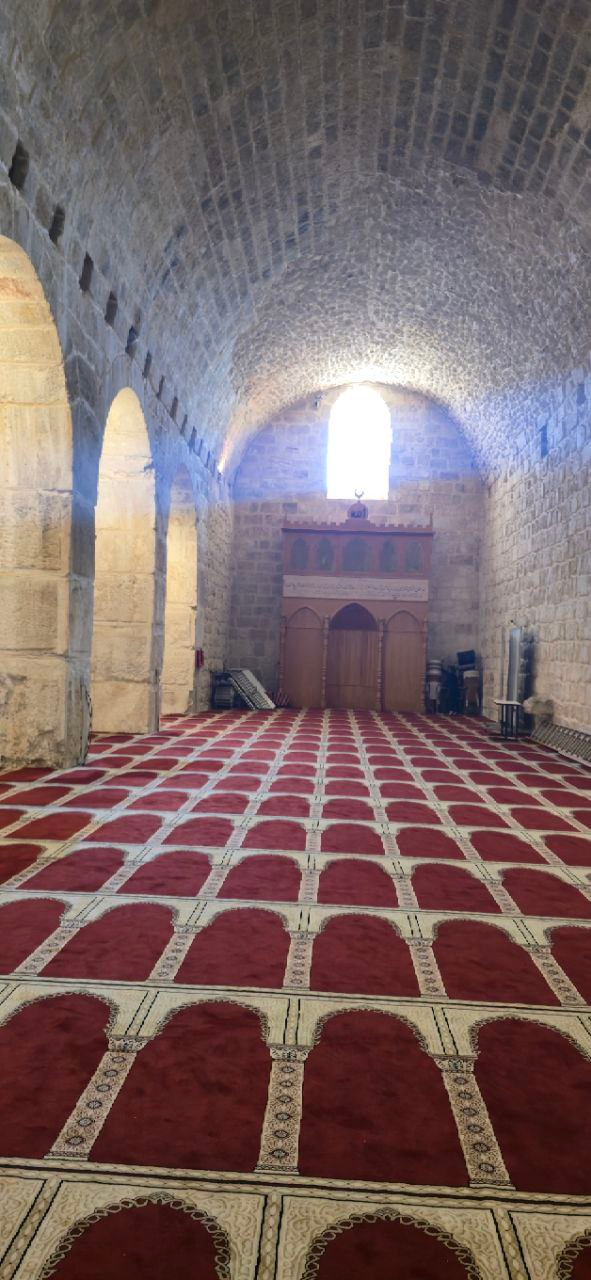
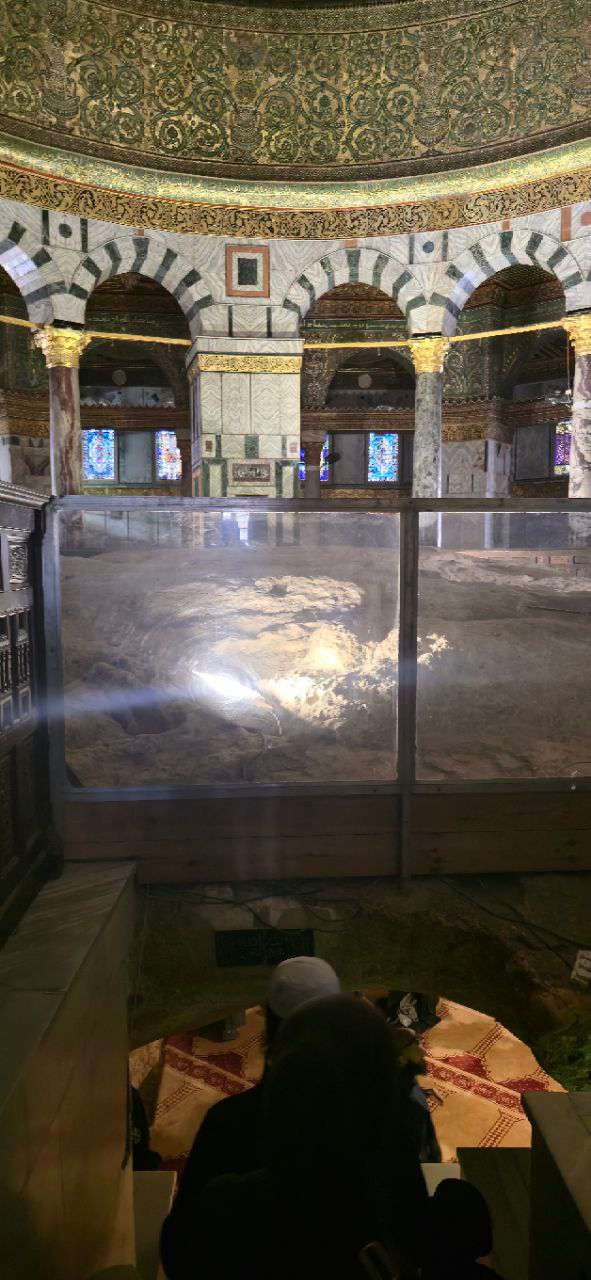
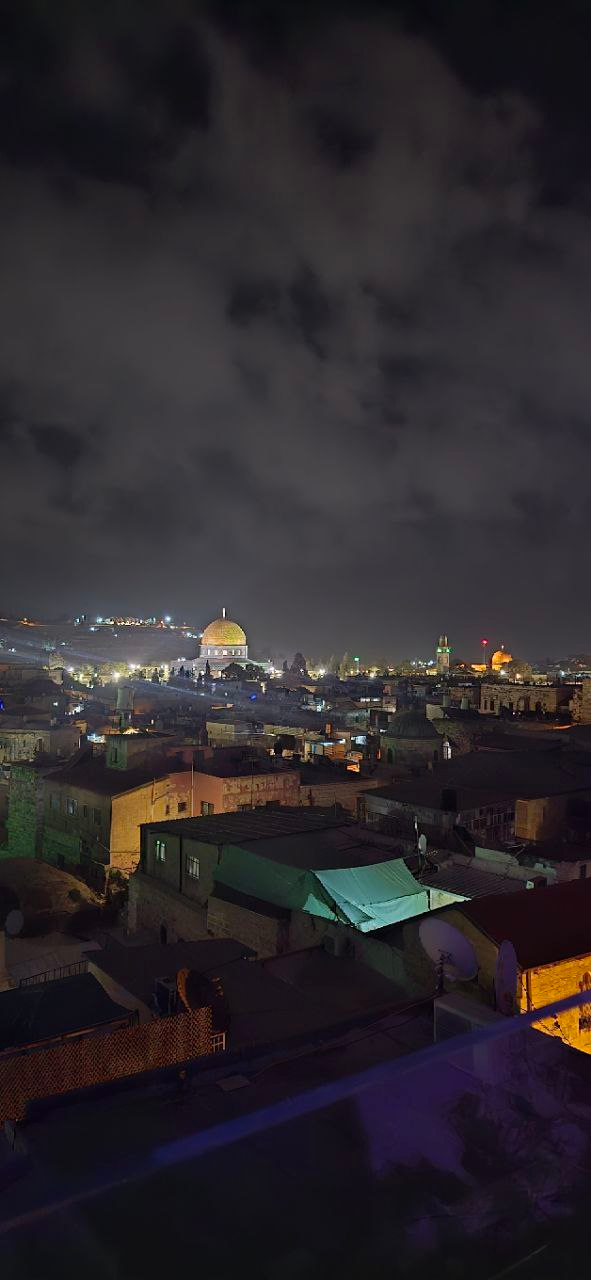
Wednesday was a slower day, and in many ways it needed to be. After the travel, the border crossings, and the ziyārāt the day before, we kept the day simple. But it was special for another reason, it was the first day of Ramaḍān.
There is something unique about being in Masjid al-Aqṣā during Ramaḍān. The atmosphere changes completely. The courtyards are filled throughout the day with people reading Qur’an, sitting in circles of dhikr, resting between prayers, or simply taking in the peace of the sanctuary.
The vibes were unmatched.
Families gathered throughout the compound, people shared food with strangers, and the entire masjid felt alive from morning until late at night. Even the quiet moments between prayers carried a different weight in Ramaḍān.
That day we also did a walking tour around the Masjid al-Aqṣā compound, learning more about the different areas within it and the long history connected to them. As you move through the sanctuary you realise how many layers of history exist within a single space.
Every corner has a story.
You see places connected to scholars, rulers, and generations of worshippers who passed through the same courtyards centuries before us. The architecture alone reflects different Islamic eras, each leaving its mark on the sanctuary.
It is honestly difficult to comprehend how much history is concentrated in that one place. Standing there, you are constantly reminded that this land has been central to the story of the ummah for centuries.
And yet, despite everything that has happened around it, Masjid al-Aqṣā remains alive.
Day 6: The Weight of Responsibility
Thursday 19 February
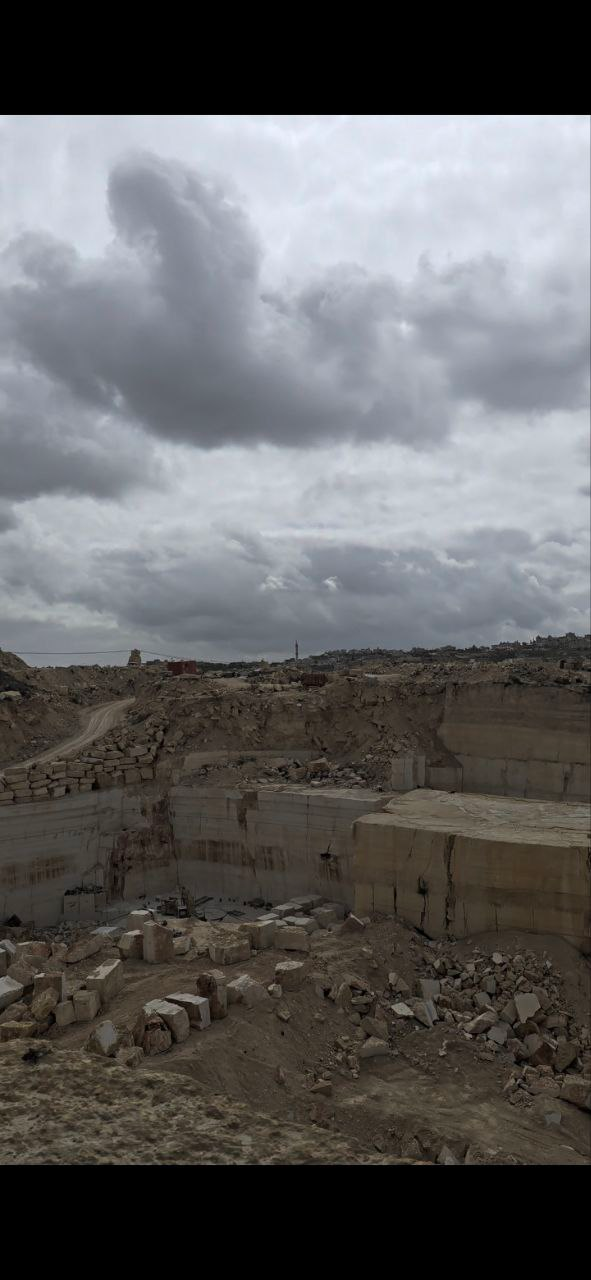
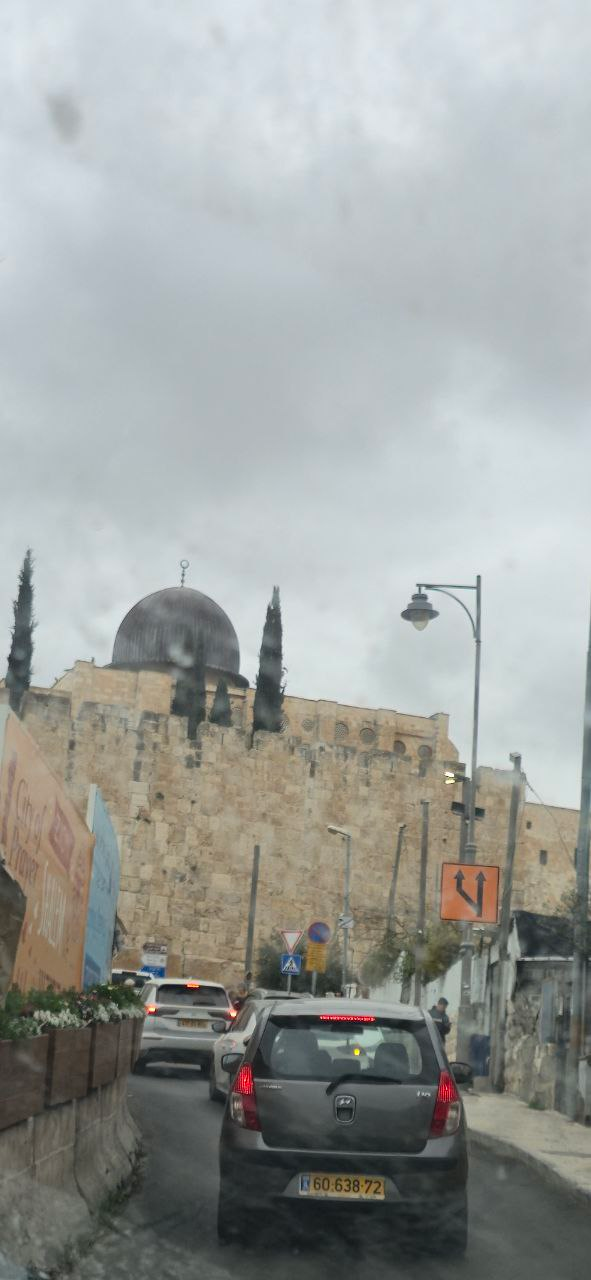
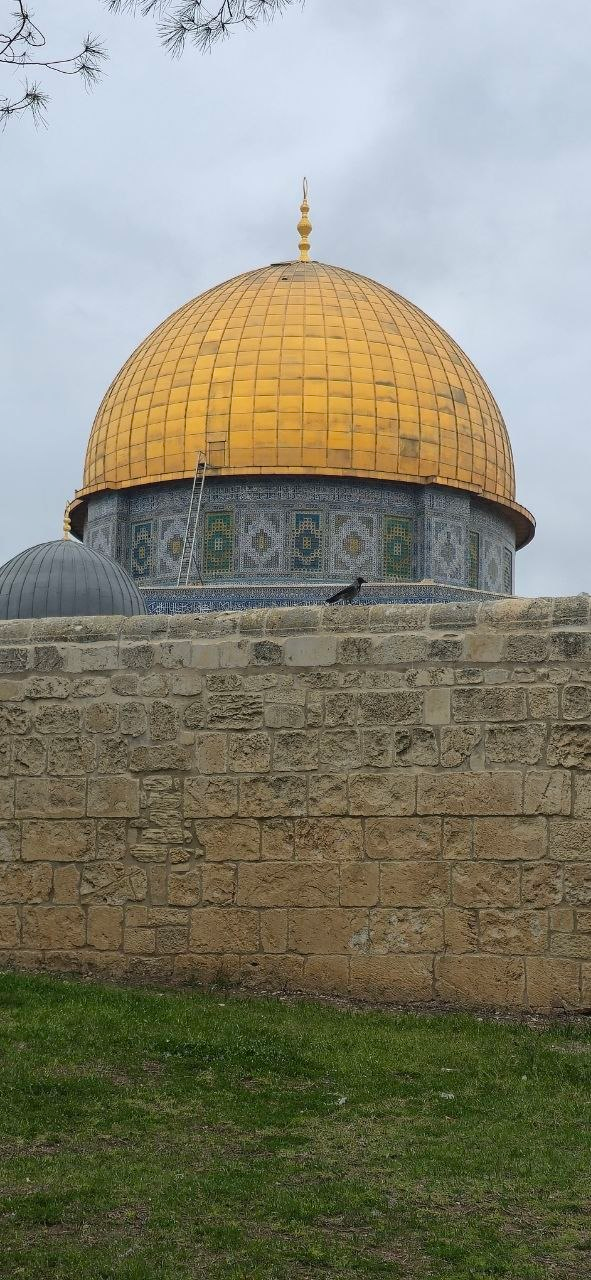
Thursday was one of the most intense days of the journey.
The purpose of the day was not primarily ziyārāt, but charity and visiting communities in need, many of which are far from the areas visitors usually see. It meant travelling outside the usual routes and spending time with people whose realities rarely appear in travel itineraries.
Spending time with children in these places hits differently. Their smiles are genuine, their excitement is immediate, but you cannot ignore the circumstances they are growing up in. Many of them have lived through instability, loss, and hardship that no child should have to experience.
The reality is simple: they need support.
Just as the ummah remembers Gaza, we should also remember our people across Palestine and the surrounding lands, many of whom continue to struggle quietly without the same level of attention.
The brother who guided us that day was a local Palestinian who had dedicated much of his life to helping people. Out of respect for him I will not mention his name, but he was truly one of those people who make you feel as though you are in the presence of someone special.
He refused to take any money.
Whenever we tried to insist, he would simply say, “Alḥamdulillāh, I am fine. I want you to see the people and help them.”
His concern was not for himself. His concern was for the poor, the widows, the families, and the children who needed assistance. More than once during the day he broke down in tears while speaking about the condition of the people.
You could see that his heart was deeply connected to serving them.
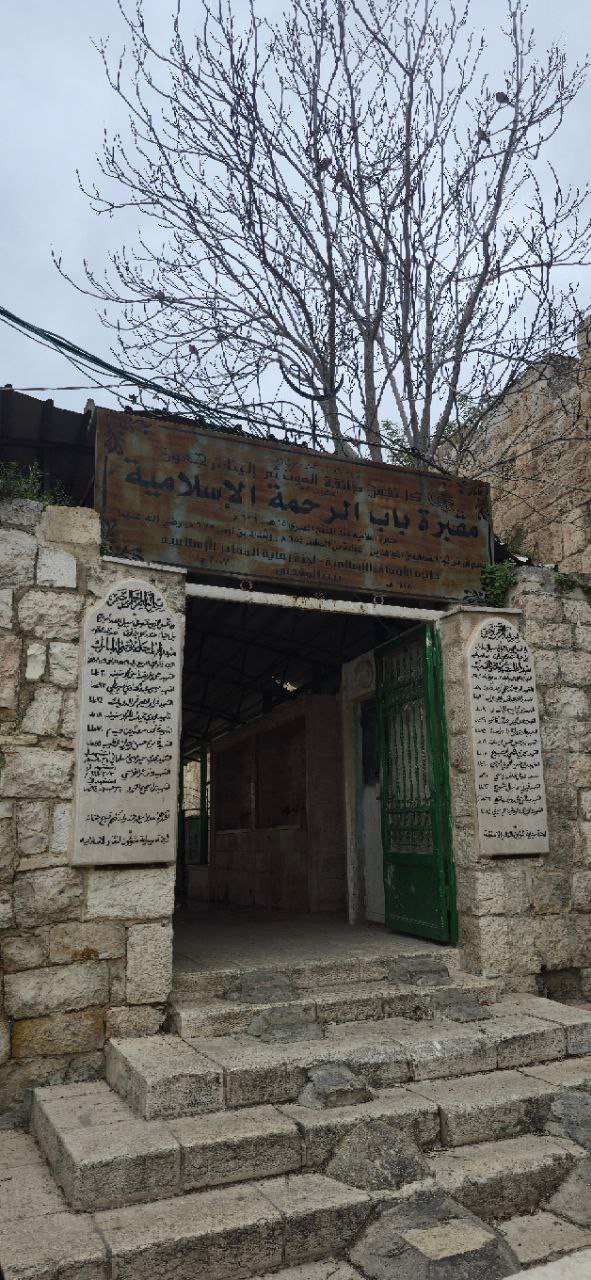
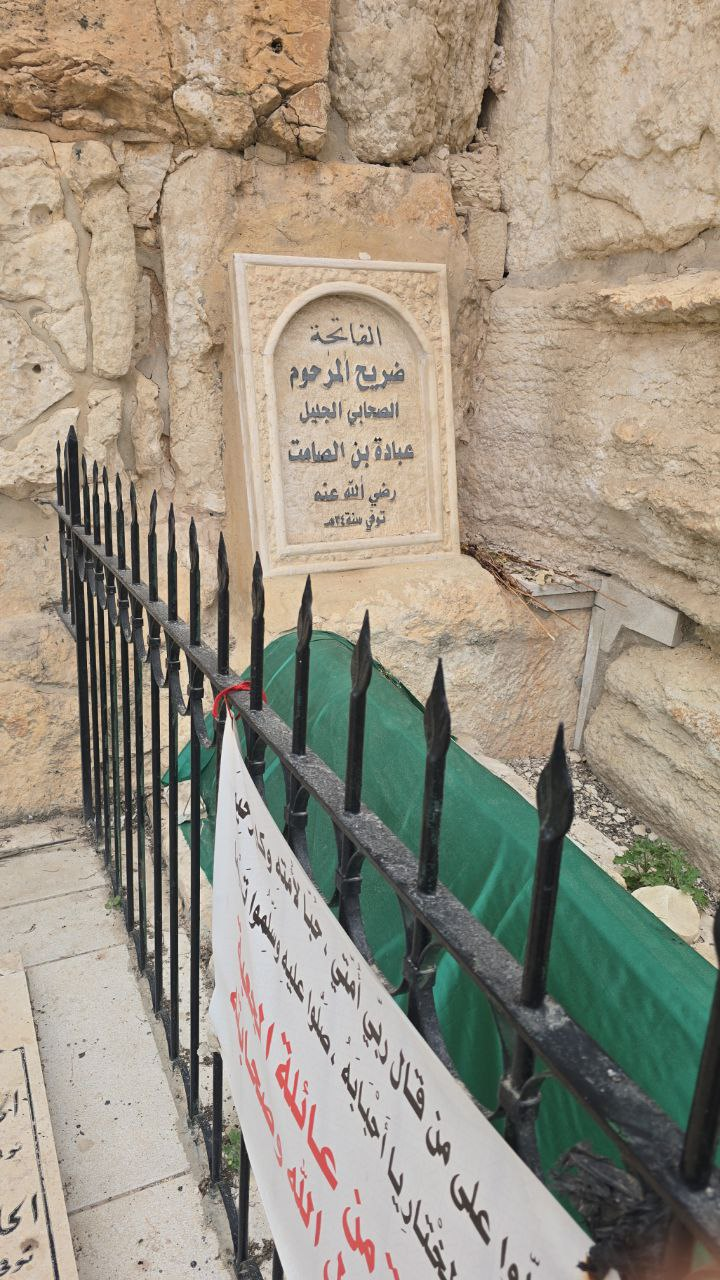
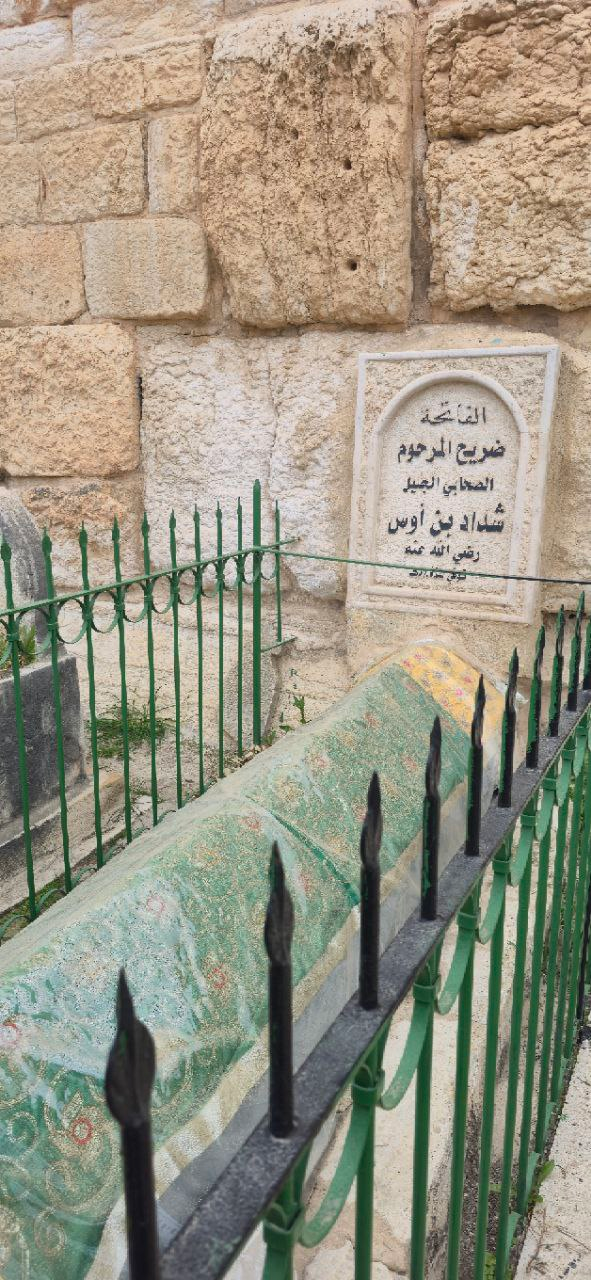
On the way back toward Jerusalem we stopped at the historic graveyard where the companions ʿUbādah ibn al-Ṣāmit and Shaddād ibn Aws (raḍiyAllāhu ʿanhumā) are buried. These were among the early companions who played significant roles in the region, leading the Muslims in battles and later serving as scholars, leaders, and imams in Bayt al-Maqdis.
Standing near their graves reminds you that these lands were once walked by the Ṣaḥābah themselves, men who carried the message of Islam into these regions and established communities of faith here centuries ago.
We also passed by Sāḥat al-Imām al-Ghazālī, a place associated with Imām Abū Ḥāmid al-Ghazālī (raḥimahullāh). It is reported that he spent around ten years in seclusion and worship in Jerusalem, during which he worked on his monumental book Iḥyāʾ ʿUlūm al-Dīn.
To move within these lands is to constantly walk between past and present.
On one side you witness the struggles of today’s communities, and on the other you are reminded of the scholars, companions, and worshippers who once stood in the same places centuries ago.
The Final Days in Aqṣā
Friday 20 February – Sunday 22 February (Fajr)
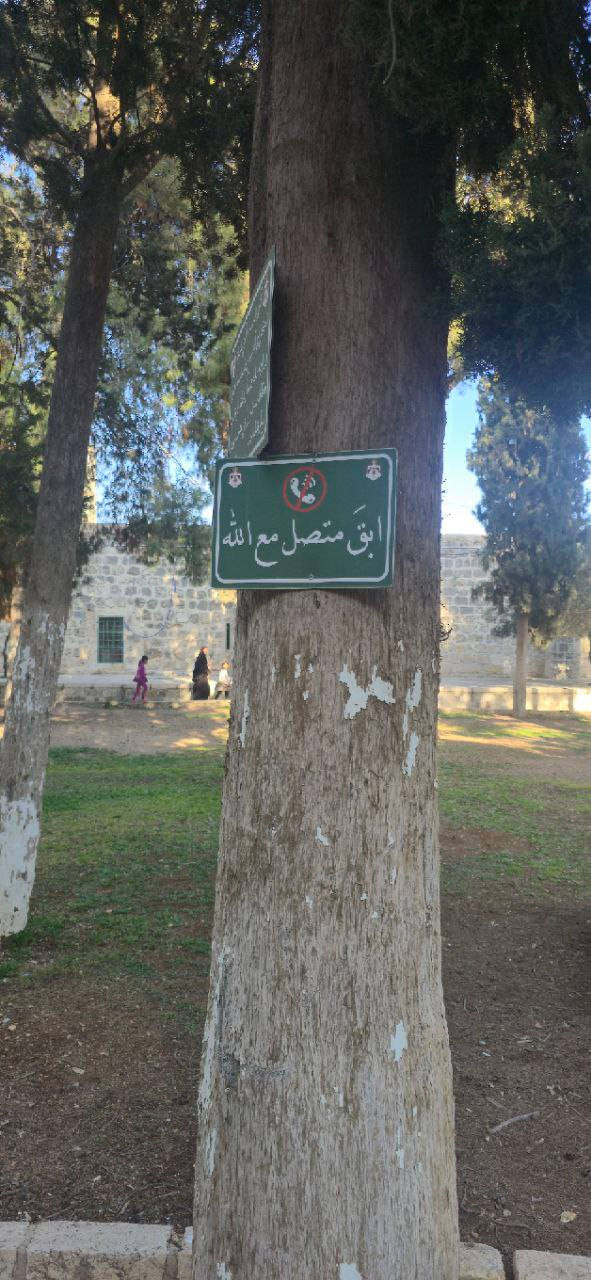
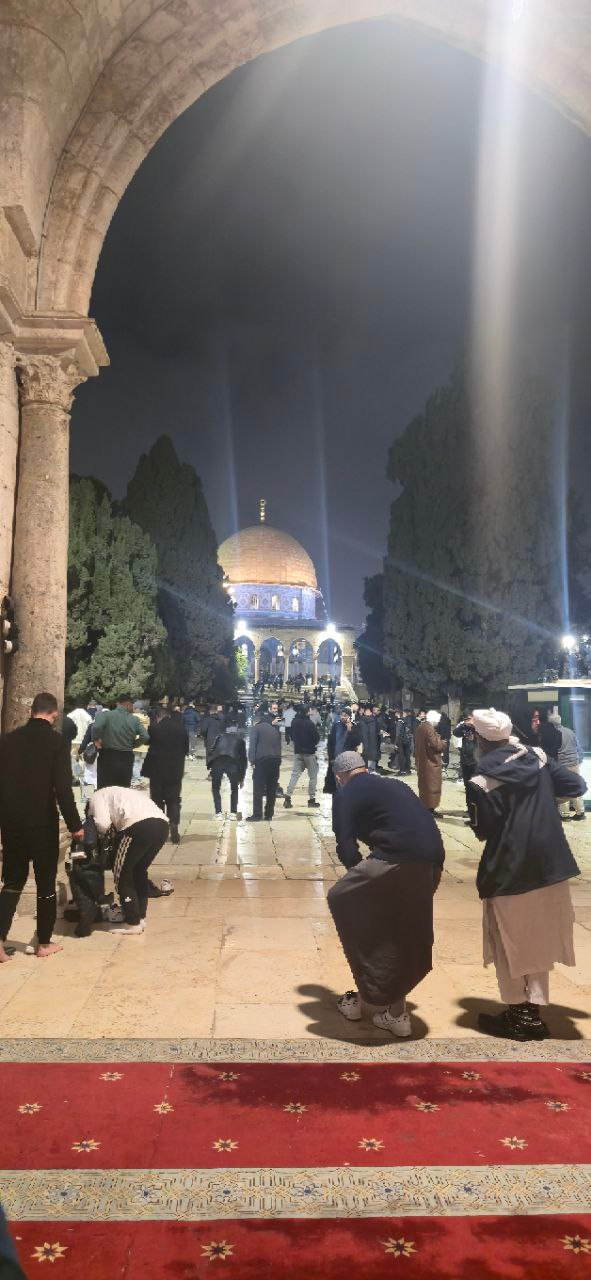
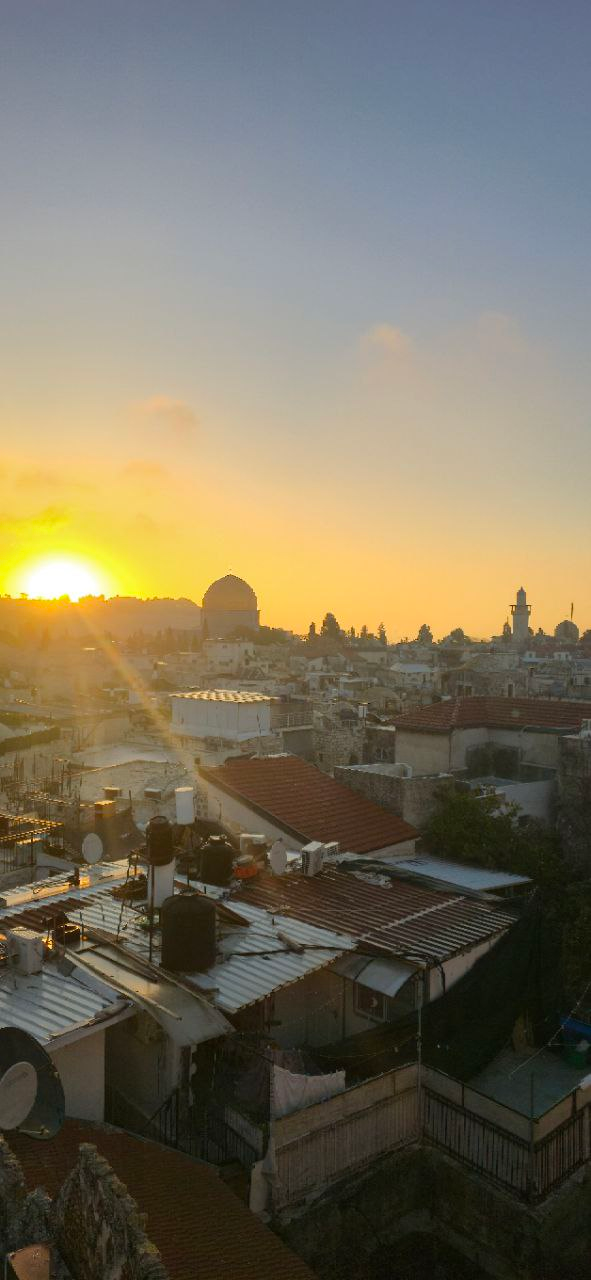
From Friday 20 February until the morning of Sunday 22 February, we remained in Jerusalem, spending our time almost entirely within Masjid al-Aqṣā. The days passed in worship, reflection, reading, and simply absorbing the atmosphere of the blessed sanctuary during Ramaḍān.
Being in Aqṣā during Ramaḍān is unlike anywhere else. The courtyards remain alive from before Fajr until late into the night. People sit in circles reading Qurʾān, families gather quietly in the corners of the compound, and strangers share food and water with one another. There is a sense that the entire place breathes worship.
We spent those days reading more about the history of Bayt al-Maqdis, learning about the scholars, companions, and prophets connected to this land. The more you read while physically being there, the more real the history becomes.
Jumuʿah in Aqṣā was something remarkable.
Many Palestinians from the West Bank try to attend Jumuʿah in Masjid al-Aqṣā whenever they are granted permission. For some of them, this is something that might only happen once a year, if at all. As a result, thousands gather when the opportunity appears.
The masjid was completely packed.
During Tarāwīḥ, the Israeli forces added additional barriers and security points around the compound, attempting to control the movement of people entering and leaving. Yet despite the restrictions, the spirit of the people was impossible to suppress.
At various moments you could hear the Palestinians chanting and raising takbīr together, their voices echoing across the courtyards of the masjid. It is a powerful sound.
Many of us attend protests around the world in support of Palestine, but when you witness the people there, you realise something deeper. These people are performing ribāṭ simply by remaining where they are. Their presence in Masjid al-Aqṣā itself is an act of resistance and devotion.
Before Fajr on Sunday 22 February, we prepared to leave. That morning we entered into iḥrām, intending to travel onward for ʿUmrah. Donning the iḥrām from Jerusalem carries a special meaning, as many scholars mention the virtue of performing ʿUmrah beginning from Bayt al-Maqdis.
Standing there in the early morning darkness, preparing to leave Aqṣā, was an emotional moment.
If Allah wills, I would love to return again.
But my waṣiyyah to everyone reading this is simple:
Make Aqṣā part of your mission.
Make it your mission to visit, to support its people, and to keep its story alive. Make it part of the mission you pass on to your children as well.
And above all, ask Allah sincerely that He grants this ummah a Ṣalāḥ al-Dīn once again, someone through whom Allah will restore dignity and protection to this blessed place.
Sunday 22 February: From Bayt al-Maqdis to the Journey of ʿUmrah
We donned the ihrām, intending to perform ʿUmrah from Bayt al-Maqdis, seeking the virtue mentioned by the scholars of performing ʿUmrah after visiting al-Aqsa.
Our departure from Jerusalem was unexpectedly smooth. It almost felt as if they simply wanted us to leave. Compared to the long questioning when entering, exiting was quick. We went to the border early at around 8am, and because we were among the first there, the process moved quickly.
Whilst we were already in ihrām, we rented a car in Jordan and began visiting some of the historic places in the region.
It was quite interesting to see how the Jordanian government has preserved many of these historical sites, maintaining them so visitors can still connect with the rich legacy of the prophets and companions associated with these lands.
The first place we visited was the grave of Abū ʿUbaydah ibn al-Jarrah.
His full name was ʿĀmir ibn ʿAbd Allāh ibn al-Jarrah, one of the greatest companions of the Prophet ﷺ and among the ten promised Paradise. ʿUmar ibn al-Khaṭṭāb رضي الله عنه held him in such high regard that he once said that he would want a room filled of men like Abū ʿUbaydah. Standing there, reflecting on his life, you realise how these lands are filled with the footsteps of giants who carried Islam with sincerity and sacrifice.
We then visited a place connected to Dhirār ibn al-Azwar al-Asadī, another remarkable companion and warrior. Even before Islam he was known for his bravery, and after accepting Islam he became one of the fearless fighters in the early Muslim conquests. His courage became legendary among the companions.
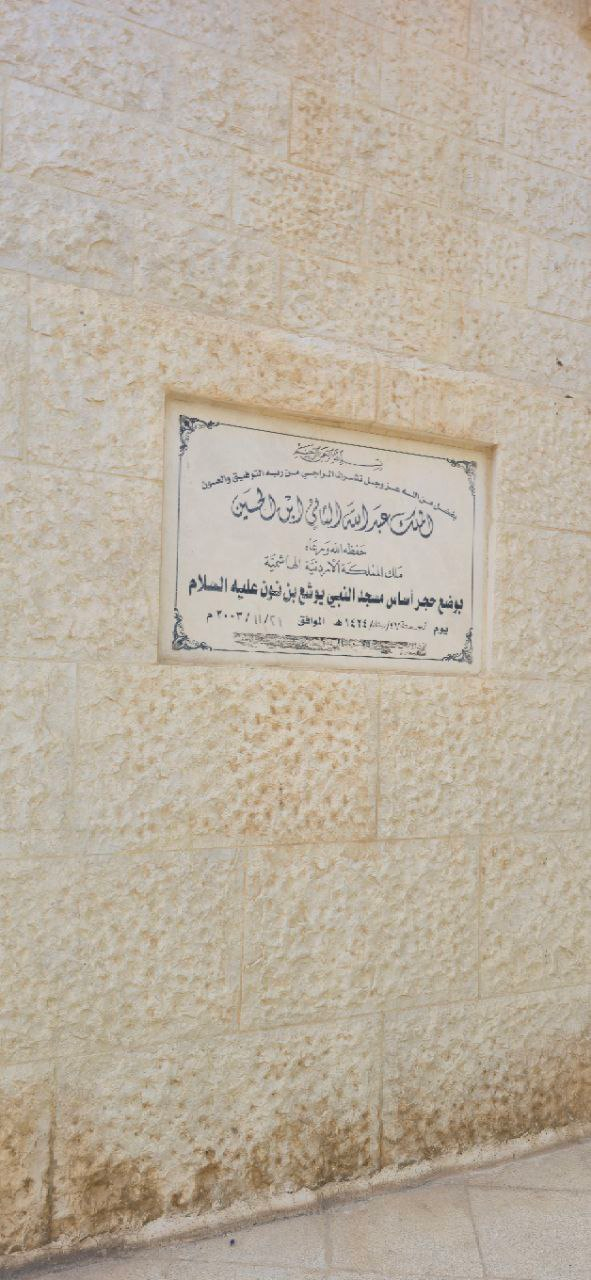
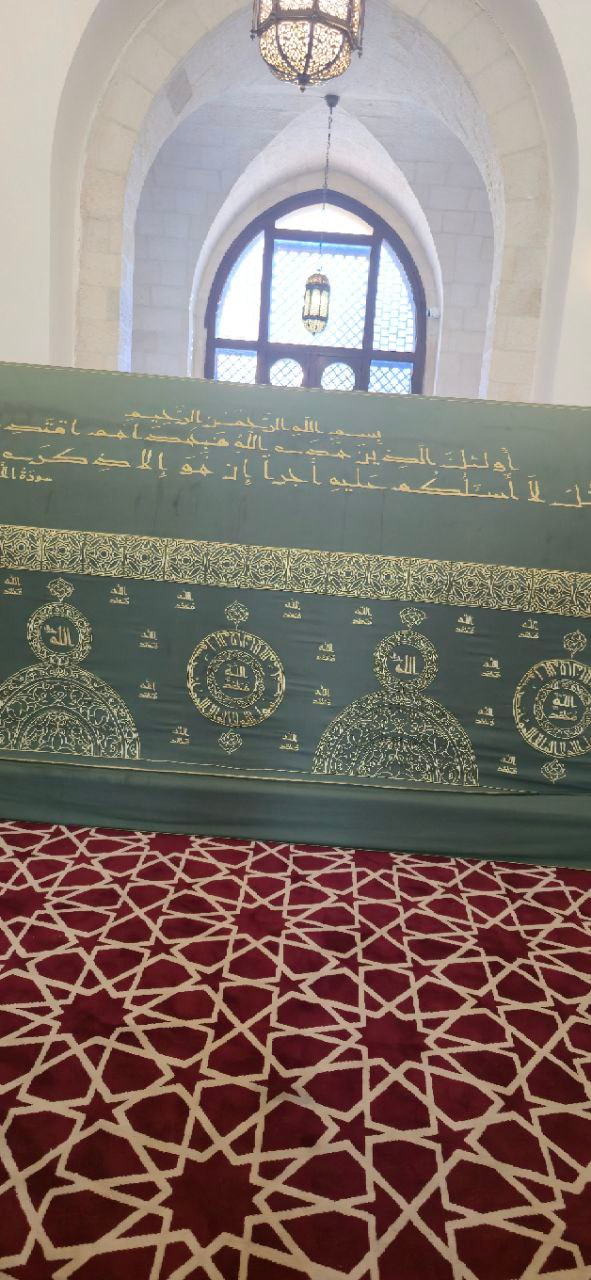
From there we travelled to a location attributed to Yūshaʿ ibn Nūn, the righteous servant who accompanied Mūsā عليه السلام and later led the people after him.
We also stopped at a place attributed to Prophet Ayyūb عليه السلام, where it is said he stayed during the period of his immense trials. Reflecting on Ayyūb’s story reminds you that patience in hardship can elevate a person to the highest ranks.
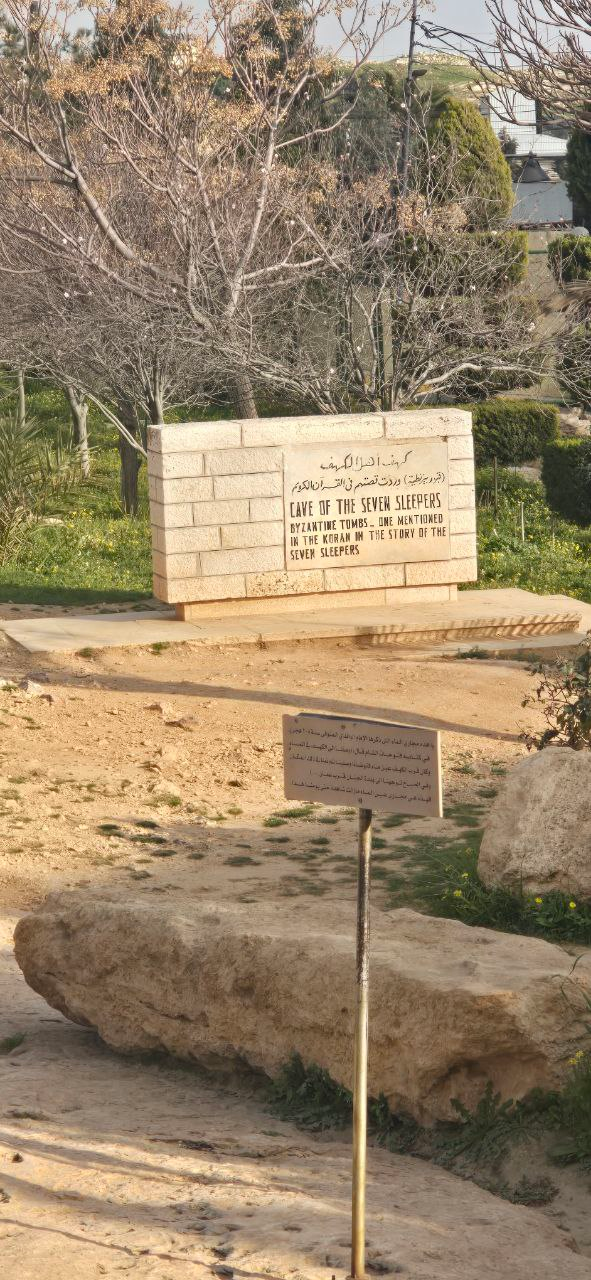
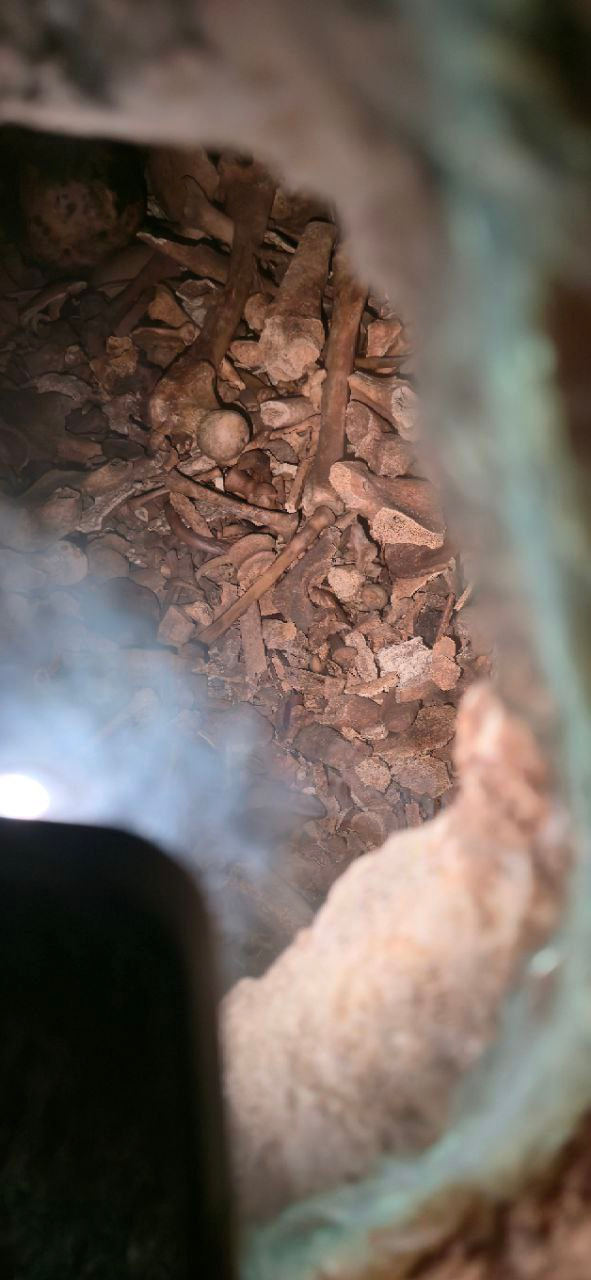
Another powerful stop was the Cave of the Seven Sleepers, the story mentioned in Sūrah al-Kahf about the young believers who fled persecution and sought refuge in a cave, trusting Allah with their faith and their future.
Their story is actually one of the inspirations behind the name Fityah. The word fityah refers to young believers who stand firm upon faith despite pressure from society.
Standing there, we made a duʿā:
O Allah, make us and our children among the fityah of this Ummah, youth who stand firm upon faith, who love Your dīn, who serve Your Ummah, and who carry the banner of Islam with sincerity and courage.
After completing these visits, we continued our journey.
That evening we boarded our flight at 8:40pm, still in ihrām. As the time of ifṭār came, we broke our fast while travelling and faced the qiblah towards Makkah, hearts already anticipating the sacred city.
From the land of the prophets and companions, we were now travelling towards the Haramayn, to complete the journey with ʿUmrah in Makkah.
Sunday 22 February: Beginning the ʿUmrah Journey
On Sunday 22 February we began the next part of our journey: ʿUmrah in the blessed month of Ramaḍān.
I urge everyone, if they are able, to try and perform ʿUmrah in Ramaḍān. The Prophet ﷺ mentioned that ʿUmrah in Ramaḍān carries the reward of Ḥajj in his company, and it is truly something special to witness the sacred lands during this month.
We left Jordan at 8:40pm, flying into Jeddah, where we landed around 11pm. From there we took an Uber to Makkah. Our driver got a little lost along the way which made the journey a bit longer than expected, but eventually we arrived.
We reached our hotel at around 2am. After checking in, we had suḥūr, prayed Fajr, and then got some rest.
I personally remained in Makkah until Thursday. My father, Maulana Hanif, stayed in Makkah on Monday but travelled to Madinah on Tuesday, spending the day there before returning to the UK on Wednesday. Some might think that travelling all that way for such a short time is tiring, but he tries to do this whenever possible, even if it is only for a day or two, simply to attain the immense reward and virtue of being in these blessed places.
From Monday to Thursday we were in Makkah, and the atmosphere was incredible. Listening to the Qur’an being recited in the very place where it was first revealed, surrounded by people from all over the world, is an experience that is difficult to put into words.
We constantly made duʿā for Palestine, as it remained in our hearts throughout the entire journey.
I will not go too deeply into the details of our time there, as the main focus of this blog has been Bayt al-Maqdis and al-Aqsa. In Makkah the focus was simply worship.
After that, from Thursday until Tuesday we stayed in Madinah, enjoying time in the city of the Prophet ﷺ. On Monday night we travelled to Jeddah, taking the last train and staying there before our departure.
It was a beautiful journey, and we ask Allah to accept it from us.
Normally we do not like to write about our acts of worship, but the intention behind sharing this journey is to encourage others. If it is possible for you, make visiting al-Aqsa part of your mission, and make it the mission of your children as well.
If anyone has any questions, you can reach us at:
May Allah accept from us and from all those who strive in His path.