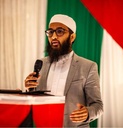
There are journeys that entertain, and there are journeys that rearrange you.
This was the latter.
At the beginning of January, I travelled to Syria with my wife. The intention was simple: to visit, to learn, to serve where possible, and to sit with people whose lives have been shaped by realities we often only speak about from a distance. What unfolded over those days was not merely a trip, but a confrontation with faith, patience, loss, dignity, and sincerity in its rawest form.
This is not a political account, nor a travel guide. It is a reflection on what it means to believe when belief is tested daily.
Leaving Comfort Without Realising It
On 2 January, we flew from Manchester to Istanbul. The journey was smooth, alḥamdulillāh. It is easy to overlook how much ease surrounds us until we step outside of it. Airports that function, borders that open, journeys that end exactly where planned, these things quietly shape what we assume is normal.
We landed in Istanbul and everything continued with ease. We took a taxi to the hotel, checked in, and planned to rest because the next stage of travel was early.
Istanbul greeted us with beauty, but the night was also very windy. The wind felt relentless and it made the short walk around the hotel feel longer than it should have. Our rest felt lighter than expected, but even that small discomfort was only a hint of what lay ahead.
Crossing Into a Different Reality
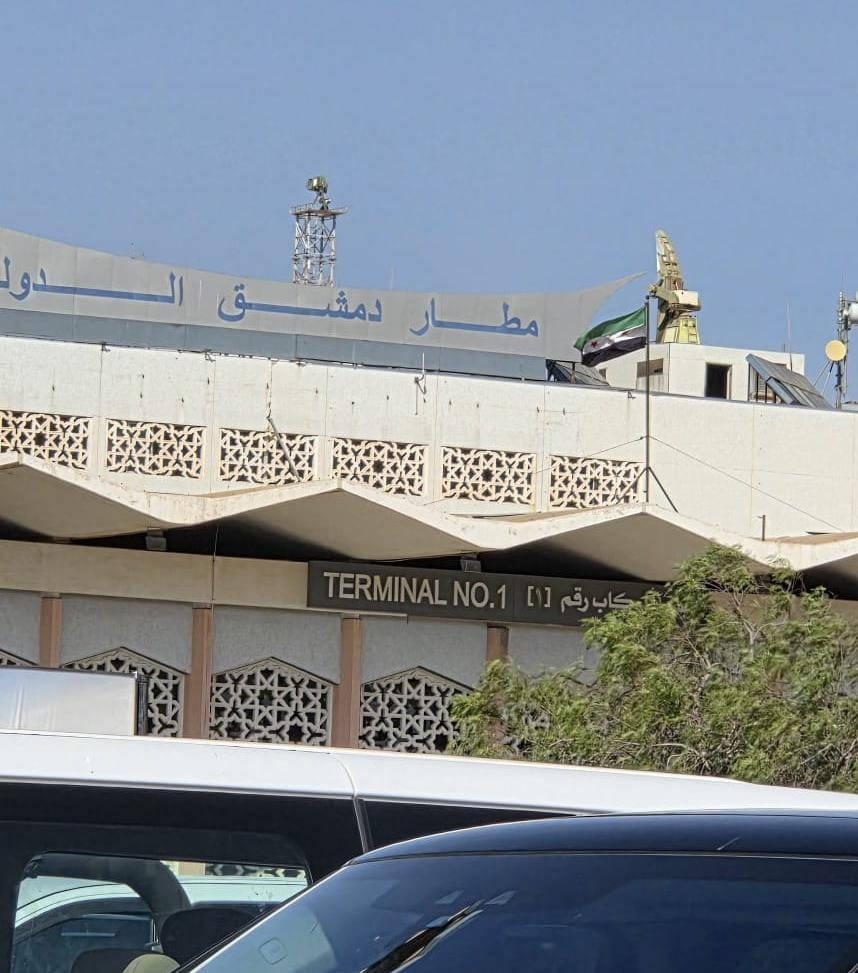
On Saturday 3 January, we travelled onward to Syria. Once again, the journey itself was smooth, alḥamdulillāh. Yet the moment we arrived in Damascus, the atmosphere changed in a way that is difficult to describe unless you witness it.
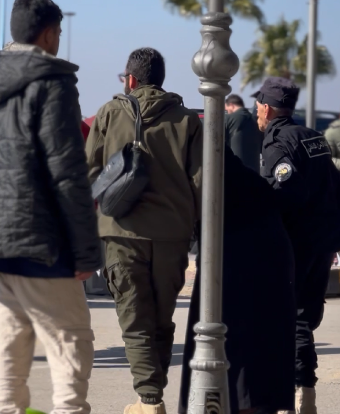
At the airport, people were embracing one another in long, silent hugs. These were not brief greetings. These were reunions after ten, fifteen years of separation. Fathers meeting sons as grown men. Brothers holding brothers they thought they might never see again. This is something we rarely experience in the West. Not because we lack emotion, but because we live surrounded by ease. We see our families regularly, yet remain distracted. We are attached to screens, to schedules, to our own concerns. In Syria, separation has carved a different understanding of closeness. When reunion comes, it arrives with weight.
In Istanbul, we had met a brother who had struggled for years to return to Syria. When he finally did, his happiness overflowed. Some might call it excessive. Others might misunderstand it entirely. But joy after deprivation does not look measured. Relief after fear does not sound calm. We misread these emotions because we have not stood in the same fire.
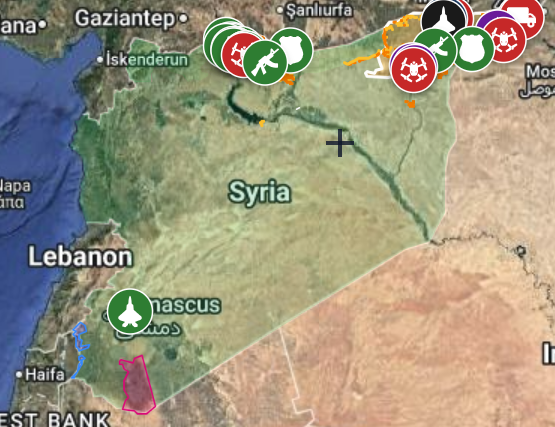
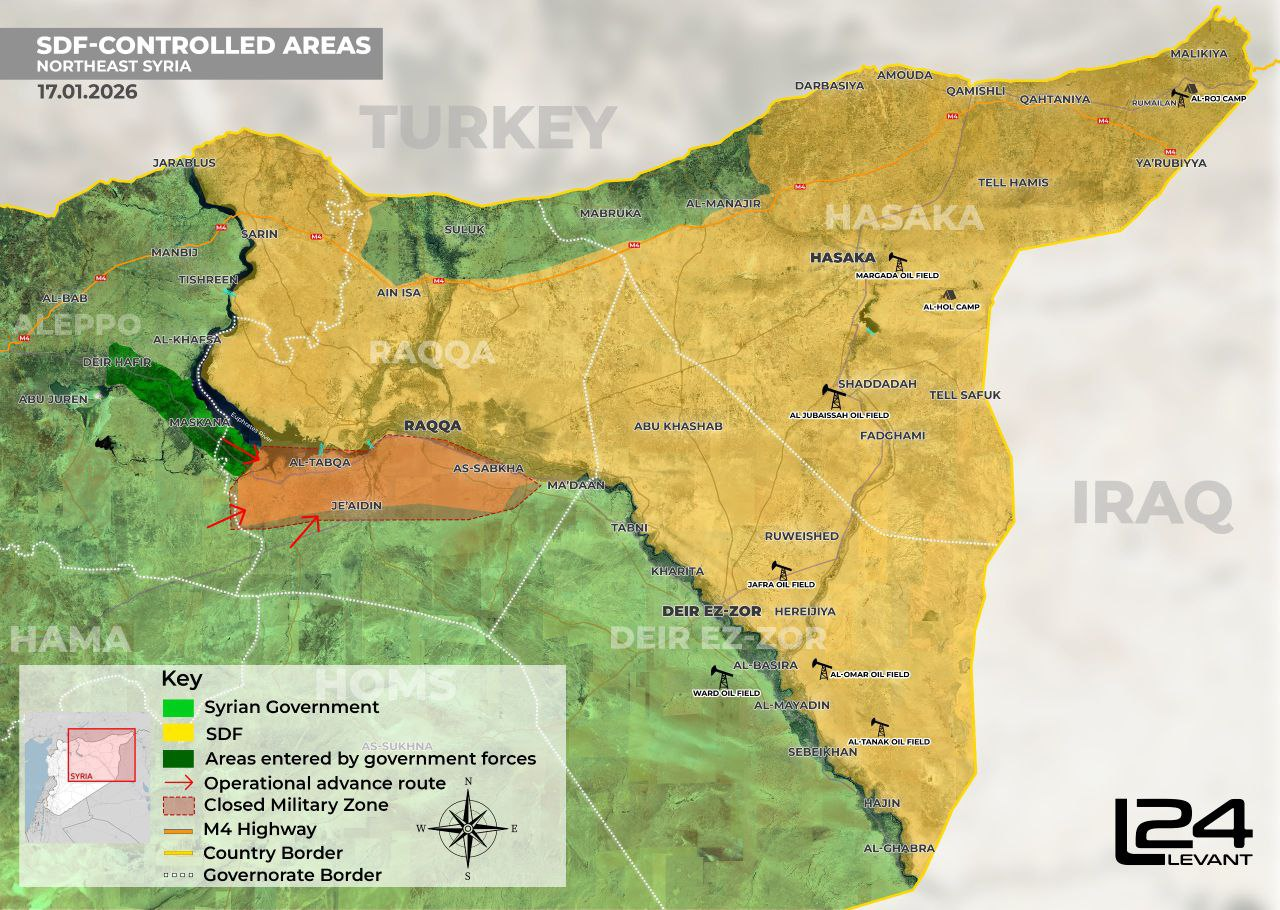
That same day, we met Abu Zakariyyah, a brother deeply involved in teacher training, writing, and developing curricula for Qur’anic education. He welcomed us warmly, took us to get a SIM card, and spoke openly about the immense challenges facing the country. From pressures in the north to instability in the south, from Kurdish-held regions to Suwayda, the situation remains fragile and complex (Alhamdulillah a few days after the time of writing the situation improved massively in the Kurdish-held regions). Areas such as Jobar and Ghouta are not merely damaged, they are devastated. Entire neighbourhoods were massacred and flattened. These are not places that need renovation, but rebuilding from the ground up. When you are far away, you hear names. When you are there, you see reality.
As we entered the hotel, we faced an incident my wife did not expect. A pickpocketing took place right at the entrance. It was unsettling, but it carried a lesson. Poverty reshapes behaviour. It does not always come with dignity, but it always comes with need. This was not about criminality. It was about desperation. And it forced us to confront how sheltered we are.
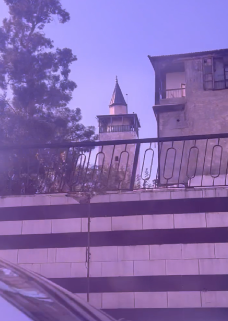
On the way, Abu Zakariyyah pointed out the minaret associated with the descent of ʿĪsā عليه السلام. There are well known scholarly discussions regarding its exact location. Some associate it with the Umayyad Mosque, while others hold that it refers to the white minaret east of Damascus. What struck me was not the difference of opinion, but the reminder that this land is tied to prophecy.
Authentic narrations mention that ʿĪsā ibn Maryam عليه السلام will descend near the white minaret to the east of Damascus, placing his hands on the wings of two angels. Some scholars hold that the description better fits the white minaret located in what has historically been a Christian area, aligning with the narrations describing the breaking of the cross and the correction of false beliefs.
That evening, more visitors arrived from the West. Some were visibly unsettled by the hotel conditions. This, too, carried a lesson. Comfort is deceptive. It convinces us that we are entitled to ease. Syria does not accommodate entitlement. A land scarred by war does not offer convenience, and it does not apologise for it.
As Muslims, learning to adapt without complaint is part of spiritual discipline. Patience is not only tested in hardship, but in how we respond when our expectations are unmet. That night reminded us that gratitude grows when comfort is stripped away, and that resilience often begins where convenience ends.
Ziyārah and the Weight of History
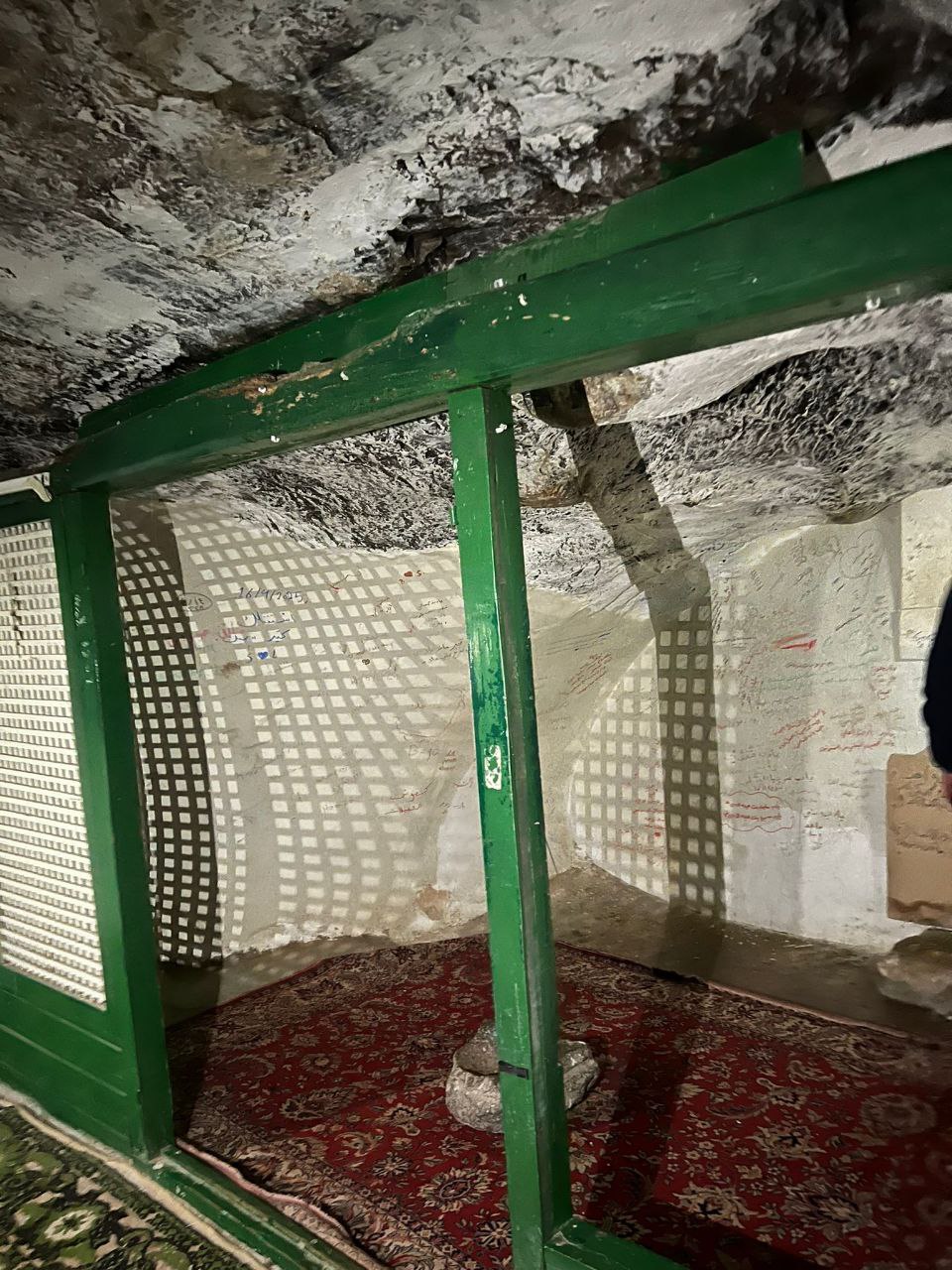
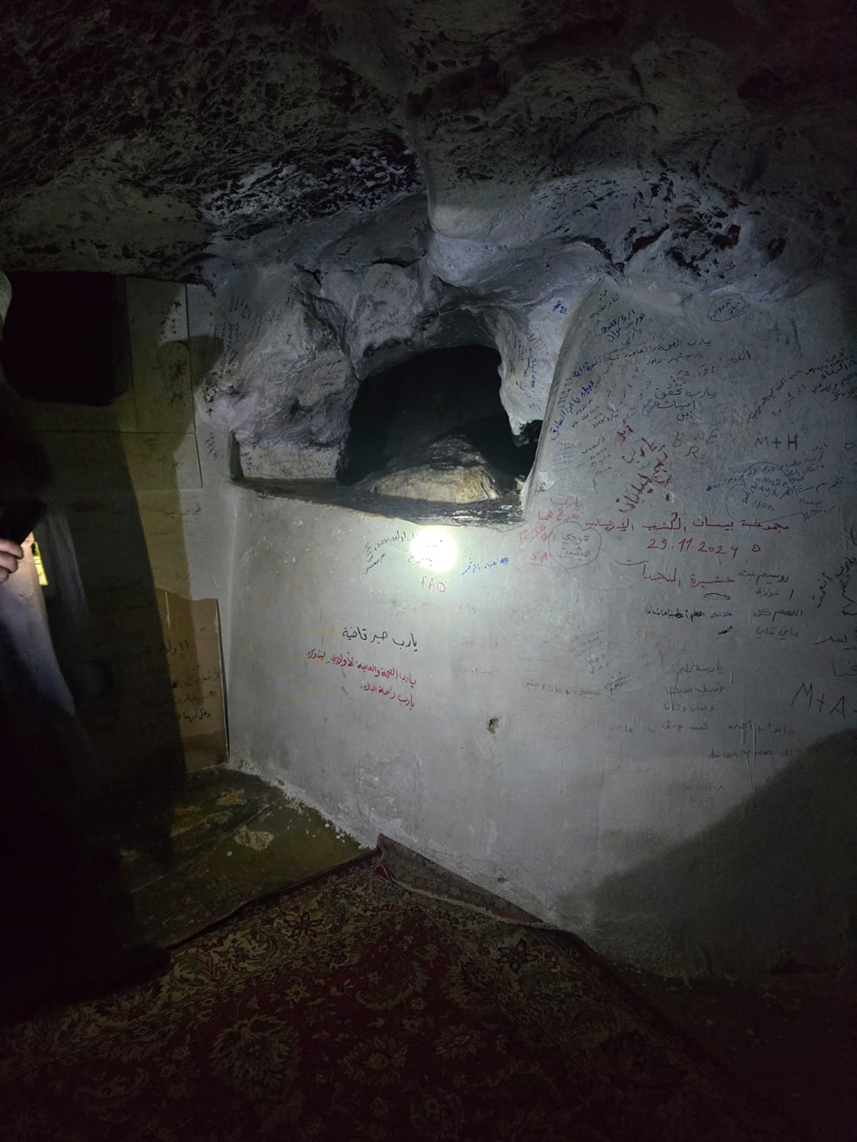
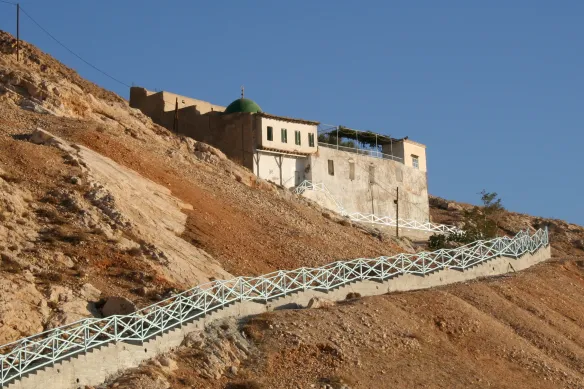
Sunday was set aside for ziyārah and reflection. We travelled to Maqām al-Arbaʿīn on the peak of Jabal Qāsiyūn, overlooking Damascus (not because I wanted to, but rather due to the request of some companions). Just getting there was a reminder that not every meaningful place is easy to reach. The climb genuinely tired me out. I was feeling it properly. But as we went up, what I loved seeing was the life around it. People actually live there. Families, small homes, daily routines continuing on a mountain that looks over a city that has carried so much history. It felt real, not staged, and it gave the whole visit a different warmth.
Maqām al-Arbaʿīn is often referred to as Maghārat al-Damm, and it is deeply embedded in the spiritual memory of Damascus. Historically, the site is a rocky cave complex that includes what is known as Maghārat al-Shahqah, with old prayer niches and remnants of early devotional use. A small mosque was built above it in the fourth Islamic century, around 370 AH, and the site has been visited for centuries.
Many narratives are attached to this place. Some traditions speak of forty righteous servants who sought refuge there from an oppressive ruler. Others associate it with Prophets (Such as Ibrahim عليه السلام) or early worshippers. The popular narrative links it to the story of Hābīl and Qābīl, suggesting the mountain reacted to the gravity of the first murder, with red markings on the rock interpreted by locals as symbolic.
It is important to acknowledge that much of what surrounds this site is part of inherited tradition rather than firmly established evidence. Personally, I do not attach belief to matters unless they are established with clarity and thubūt. However, I must be honest, after becoming so tired on the way up, it definitely felt like I had earned something by the time we reached the top.
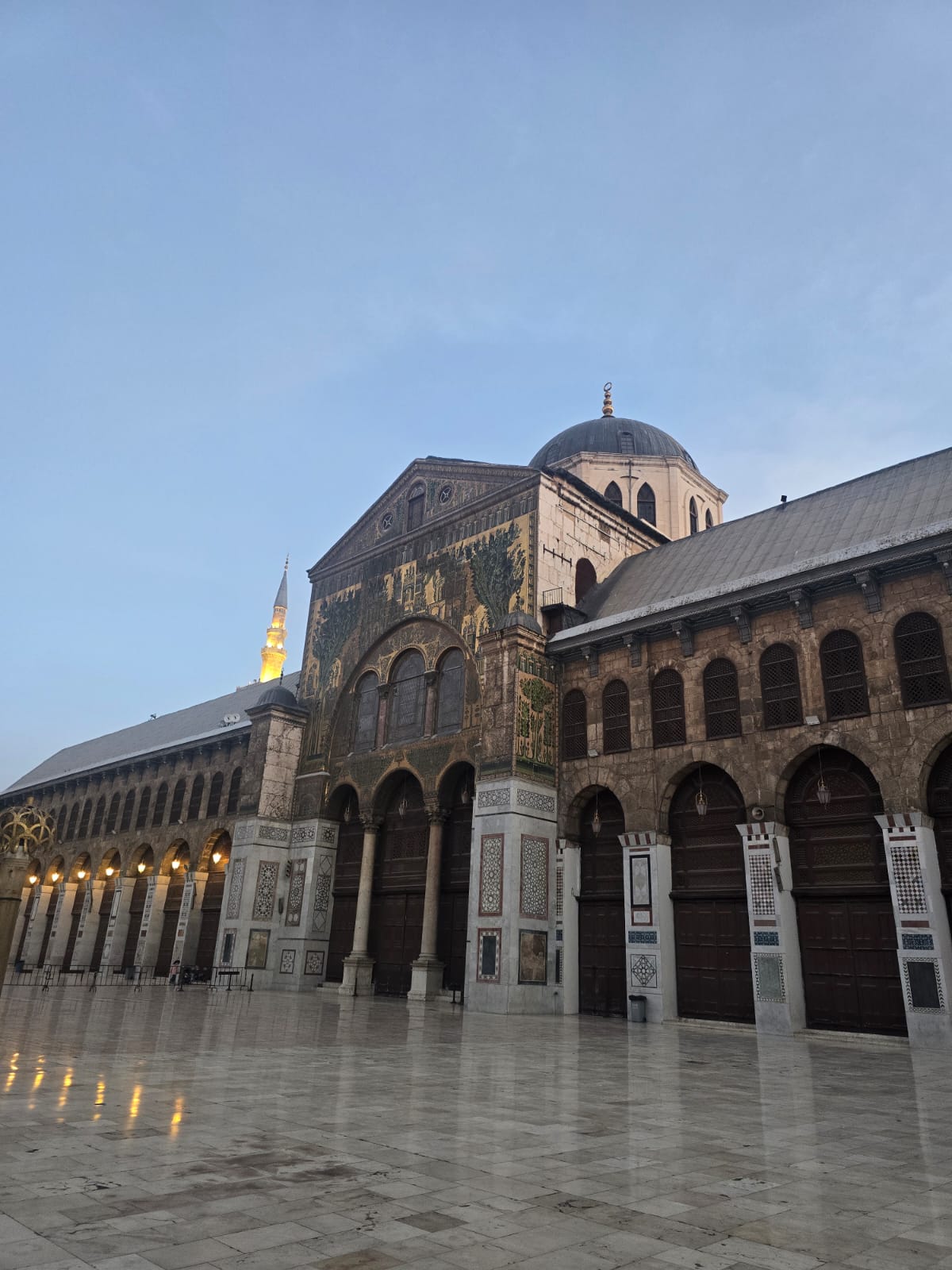
That evening, we visited the Umayyad Mosque. Entering it at night, one immediately senses the density of centuries. This is not simply a building. It is a witness.
The mosque was commissioned by the Umayyad caliph al-Walīd ibn ʿAbd al-Malik in 96 AH and completed around 705 CE. It was constructed on a site that had already held layers of worship, beginning as a Roman temple, later becoming a Byzantine church dedicated to John the Baptist. The caliph purchased the church and transformed the site into one of the earliest and most magnificent mosques in Islamic history.
Architecturally, the Umayyad Mosque blends Islamic and Byzantine styles. Its vast courtyard, covered prayer hall, and detailed mosaics made from gold, blue, and green glass remain among the finest of their kind. It contains sites of immense significance, including the shrine said to hold the remains of Prophet Yaḥyā عليه السلام. Over the centuries, it has endured fires, earthquakes, and invasions, yet it has been rebuilt time and again. What struck me most was not only its beauty, but its continuity. Empires rose and fell, rulers changed, politics collapsed, but ṣalāh never stopped.
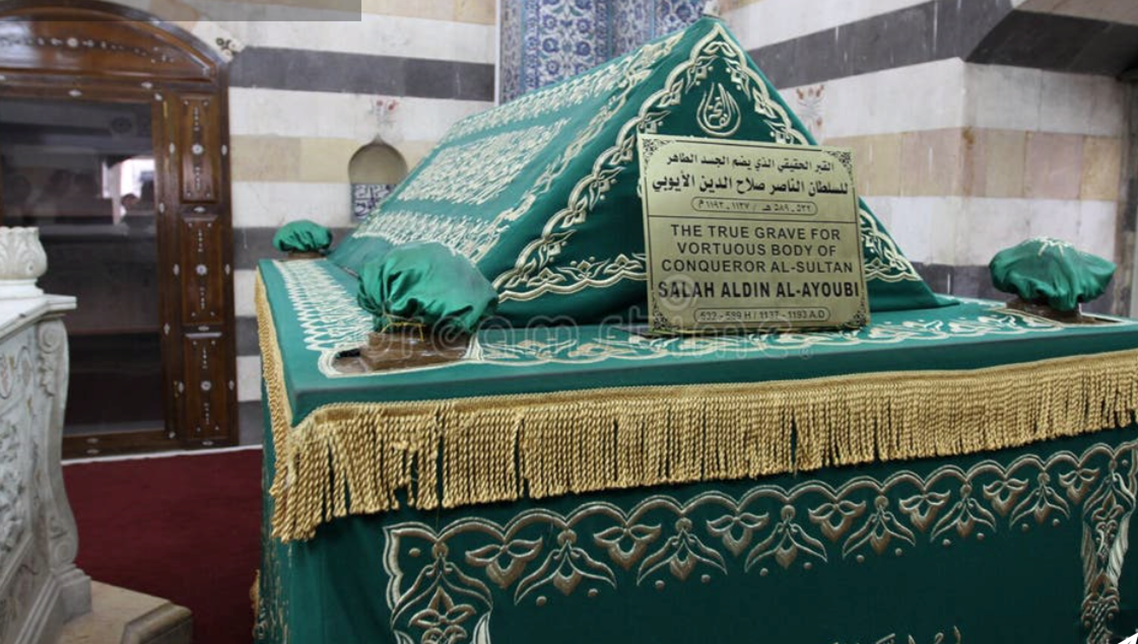
Nearby, we visited the grave of Ṣalāḥuddīn al-Ayyūbī, the liberator of Jerusalem. His resting place is strikingly modest, reflecting the humility he lived with despite his immense legacy. What was unsettling was the presence of modern figures buried close by, placed there through power rather than earned honour. It was a quiet illustration of how distorted our politics can become, where proximity is claimed through authority rather than integrity. That contrast lingered long after we left.
Later that night, we had the famous Damascus ice cream, then returned to rest. It was a small moment of sweetness after a day heavy with history, reflection, and lessons that stay with you.
Graves, Ghettos, and Living Faith
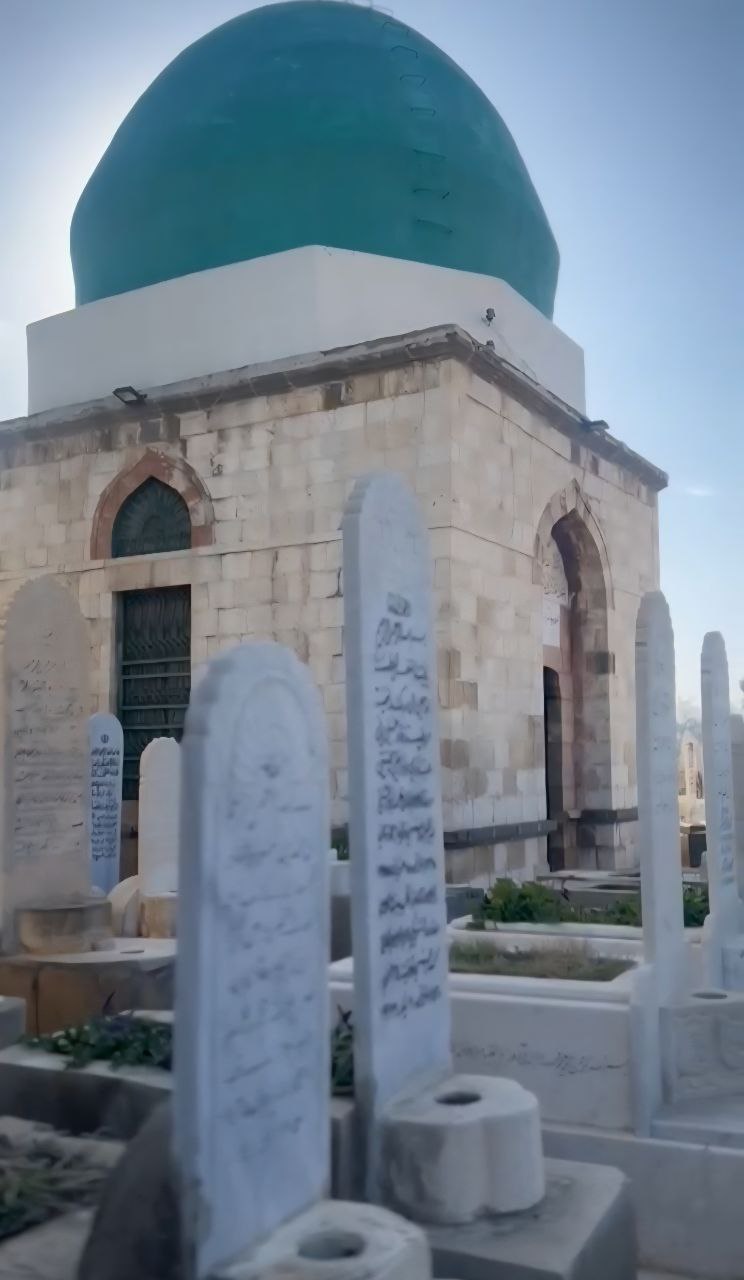
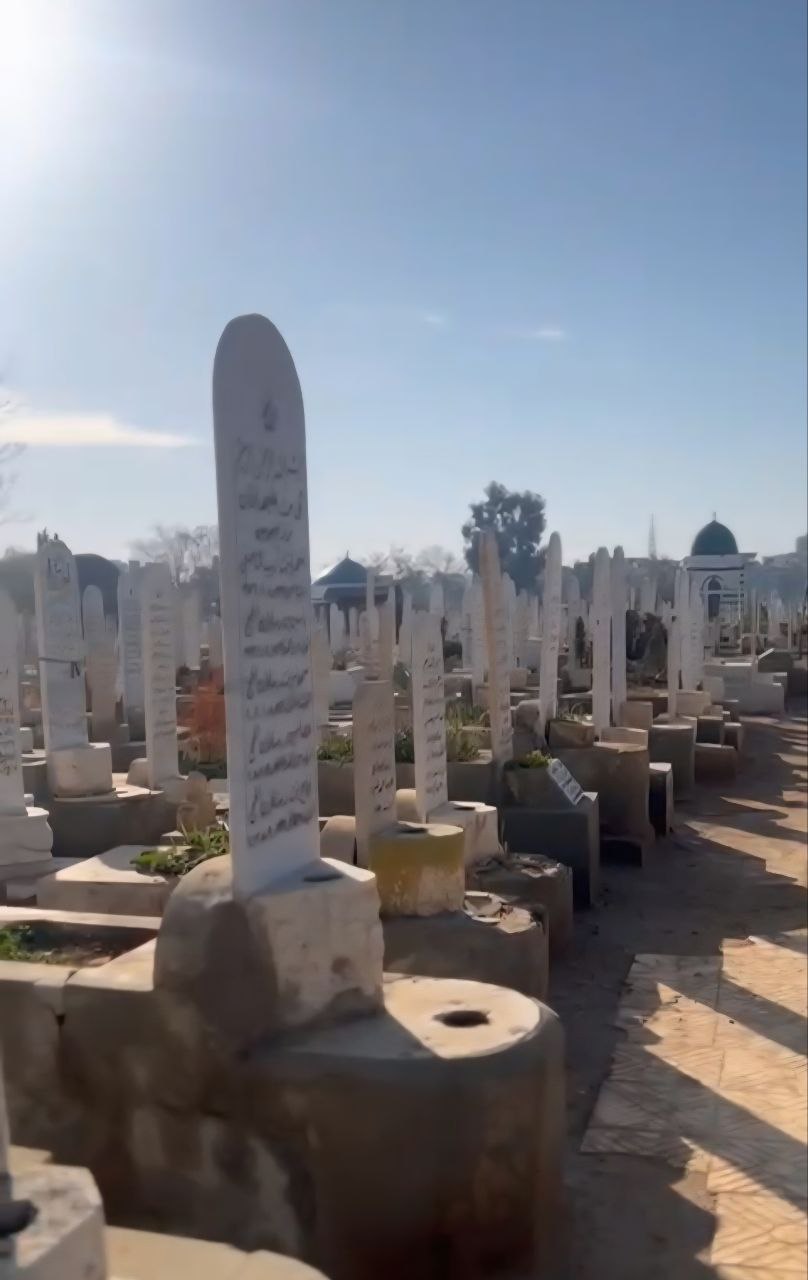
On Monday 5 January, we visited Bāb al Ṣaghīr, one of the oldest and most significant cemeteries in Damascus. Cemeteries speak honestly. They strip away illusion. They remind you that power, fear, and dominance all end the same way.
Bāb al Ṣaghīr holds the resting places of many from the early generations of Islam. Among those buried there are companions, family members of the Prophet ﷺ, and great figures of knowledge. Scholars such as Ibn ʿAsākir رحمه الله documented this history extensively in his monumental work Tārīkh Dimashq, a collection that spans nearly eighty volumes and remains one of the greatest historical records ever compiled for a single city.
Among those associated with this cemetery are the great Companions who made Shām their home after the era of Madinah, including our master Bilāl ibn Rabāḥ رضي الله عنه, whose longing for the Prophet ﷺ led him to leave Madinah and not settle there again in the same way, and Muʿāwiyah ibn Abī Sufyān رضي الله عنهما, the Companion, scribe of revelation, and leader of Shām.
It is sometimes claimed that multiple wives of the Prophet ﷺ are buried here, but the more accurate scholarly position is that Umm Salamah al Anṣāriyyah رضي الله عنها is associated with the area, rather than Umm Ḥabībah رضي الله عنها. Members of the household of the Prophet ﷺ, including Sayyidah Sukaynah bint al Ḥusayn, Umm Kulthūm bint ʿAlī, and Fāṭimah al Ṣughrā bint al Ḥusayn are also associated to this cemetery.
We also reflected on the greatness of Muʿāwiyah ibn Abī Sufyān رضي الله عنه, a Companion of the Prophet ﷺ, a scribe of revelation, and a statesman whose governance shaped the early Muslim world. He served Islam with intelligence and restraint, and his legacy in Sham is undeniable.
Among the graves, we also remembered Abū al Dardāʾ رضي الله عنه, one of the greatest scholars among the Companions. A man of deep wisdom, asceticism, and balance, he was known for combining knowledge with humility and action. His influence on the people of Sham was immense, and his legacy lives on through the students he nurtured.
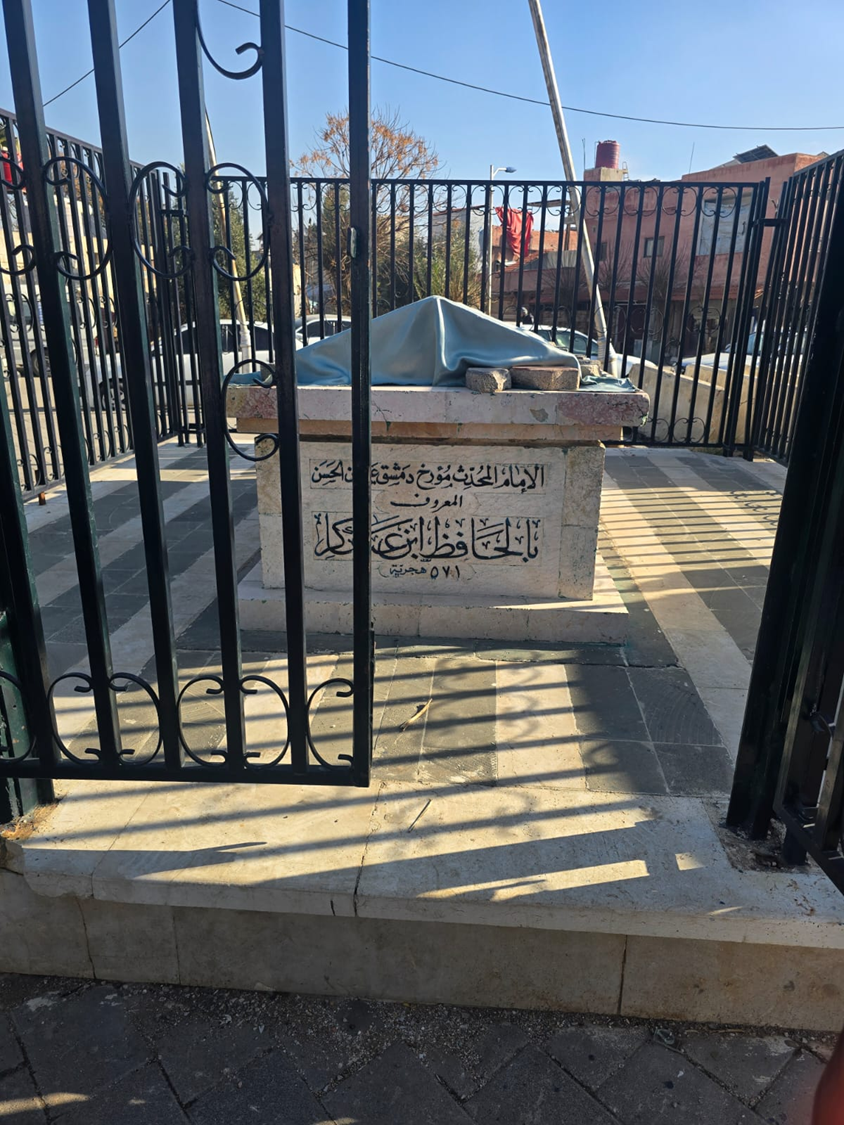
Walking through the cemetery was not easy. Some graves were scattered, distant, almost hidden by roads that now cut through the area. History here is not preserved neatly. Even Ibn ʿAsākir رحمه الله, the great scholar of Damascus, rests in a quieter corner, away from prominence. It was a reminder that even those who preserved history are eventually absorbed into it.
We reflected on later giants who walked these lands. Ibn Taymiyyah رحمه الله, whose influence reshaped Islamic thought, stood firm against injustice, participated in jihad when Sham was under threat, and ultimately died imprisoned for speaking the truth. His student Ibn al Qayyim رحمه الله was buried near the entrance of the cemetery, a man whose writings continue to revive hearts centuries later.
Figures such as Ibn al Ṣalāḥ رحمه الله, a foundational authority in hadith methodology, and Ibn Kathīr رحمه تلله, the great mufassir and historian, are also tied to this land. Their works shaped how the Ummah understands revelation and history. Although I did not visit their graves on this journey, I had done so previously. Being in Damascus again reminded me that you walk on soil layered with scholarship.
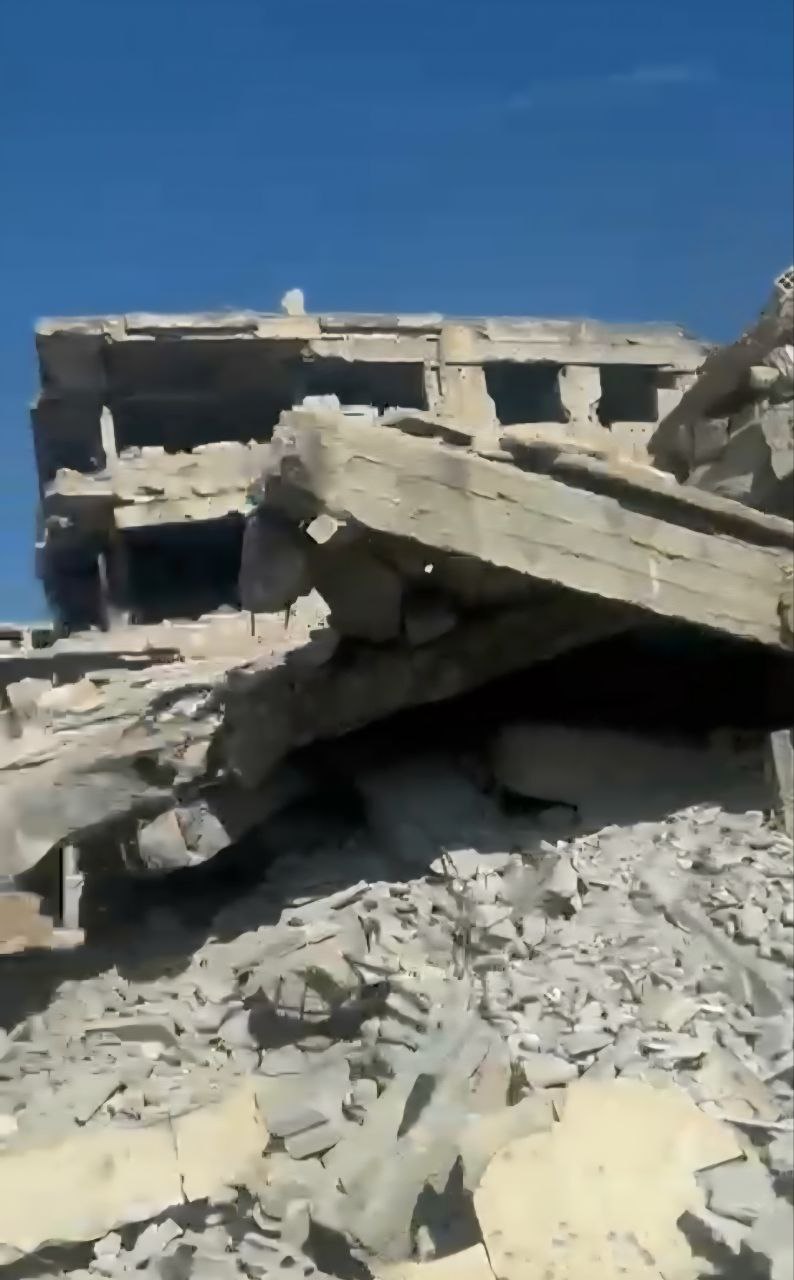
From there, we passed through areas such as Jobar and Ghouta. We were shown lines of destruction and places that had endured siege and starvation. The stories shared were not emotional performances. They were calm, measured explanations from people who had lived through it. That calm was unsettling. It reflected a level of ṣabr that cannot be taught, only endured.
One story stayed with me. In the fighting, there were two sides. On one side were those resisting oppression. On the other were forces loyal to the regime, spoken of by locals with pain and anger. During one confrontation, a woman was killed and her body was left exposed. Those resisting could not accept that her dignity be violated even in death. They risked their lives, returning under fire, simply to retrieve her body and protect her honour. In moments like that, faith reveals itself not in slogans, but in action.
Later, we travelled to Qutayfah for teacher training. This was one of the most humbling moments of the trip. Teachers gathered, men and women who had lived through bombardment, displacement, and loss. Yet they sat with notebooks open, attentive, eager to learn.
It made us uncomfortable in the best possible way. Who were we to teach them? Their īmān had been tested in ways ours had not. Yet this is the beauty of the Ummah. Knowledge flows across borders, but humility must always accompany it. Where sincerity exists, learning becomes an act of worship, not a transaction.
Jabal Qasyūn: Power, Ruins, and a City Watched From Above
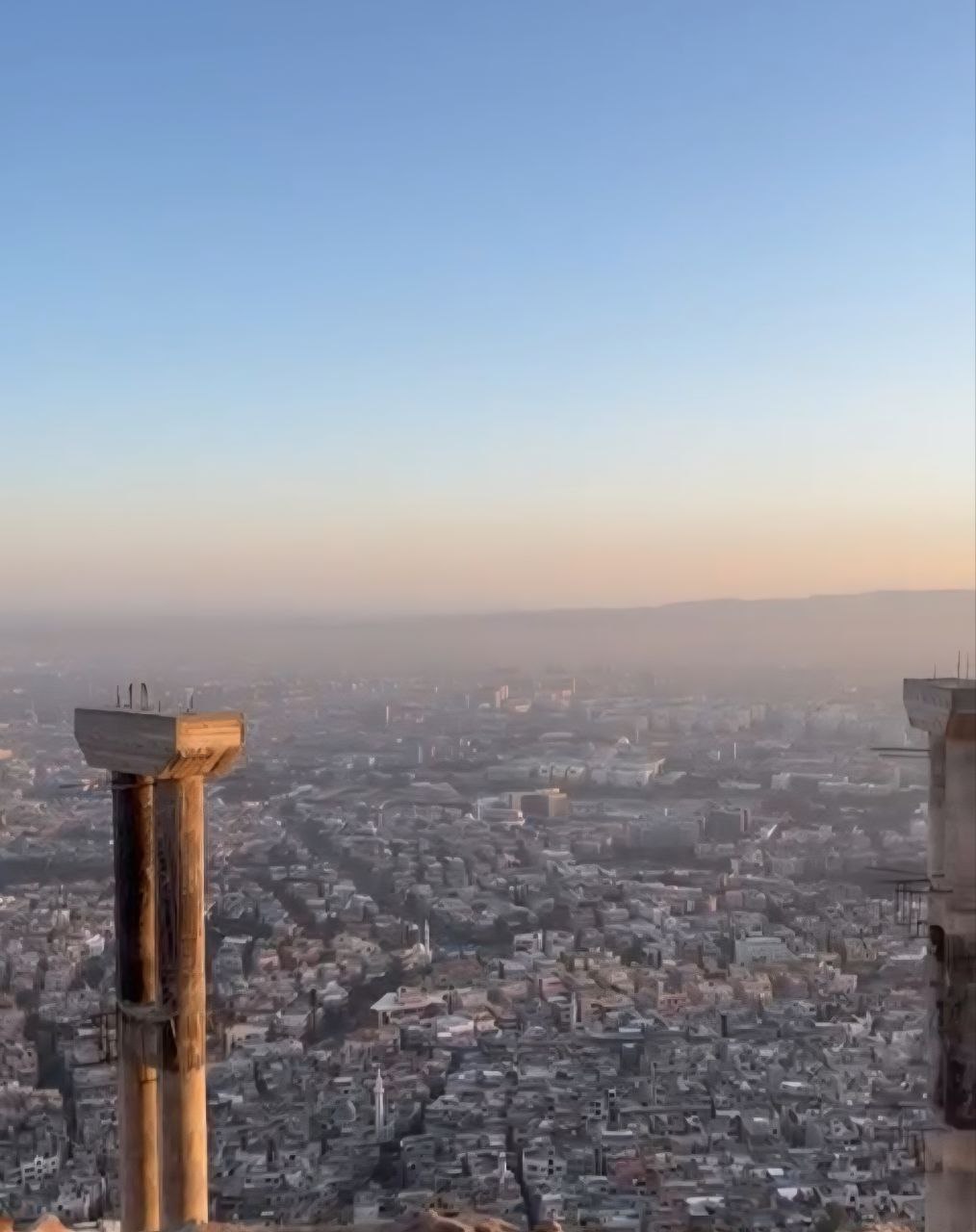
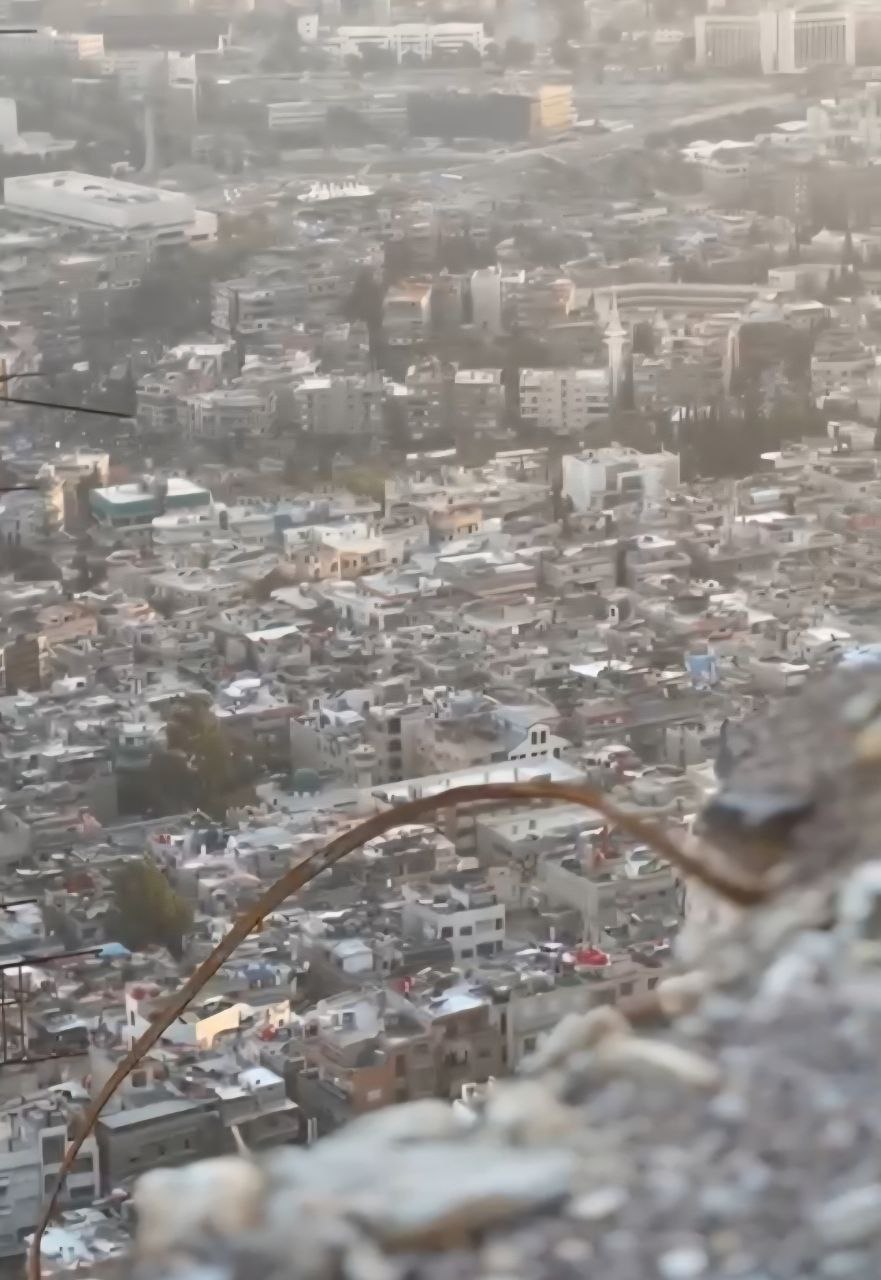
On Monday evening, we went up to Jabal Qasyūn, the mountain that overlooks Damascus. From above, the city looks calm, almost gentle. The lights stretch out, the streets appear orderly, and for a moment it feels as though nothing below has ever known war. But standing there, you are constantly reminded that this mountain has never been neutral ground.
For decades, Jabal Qasyūn was a heavily restricted military zone. It was not a viewpoint for people, but a vantage point of control. From here, the previous regime oversaw Damascus, and from here, decisions were made that shaped the suffering of entire neighbourhoods. Since the fall of the Assad government in December 2024, the mountain has shifted in meaning. What was once sealed off has begun to be reclaimed by the public, slowly and imperfectly, though the shadow of conflict still lingers heavily over it.
The scars are impossible to ignore. Following the regime change, Israel launched a wide aerial campaign aimed at dismantling what remained of Syria’s strategic military infrastructure. Jabal Qasyūn and its surrounding areas were central to these strikes. Warehouses believed to hold long-range missiles, ammunition depots linked to elite Republican Guard brigades, and facilities connected to weapons research were all targeted. The goal was clear: to neutralise remaining military capabilities and prevent any transfer of advanced weaponry.
Even symbols of authority were not spared. In July 2025, airstrikes hit areas near the People’s Palace on the slopes of Mount Mezzeh, close to Qasyūn. It was widely understood as a warning to the new transitional government, a reminder that sovereignty here remains fragile and contested. Around the same period, central military headquarters in Damascus were struck, with entire floors collapsing. Standing on Qasyūn, knowing this had happened so recently, made the calm view below feel unsettling rather than comforting.
As we looked around, locals pointed out areas once hidden beneath layers of secrecy. Journalists and officials have since uncovered extensive tunnel networks running through the mountain, connecting military barracks directly to former centres of power. Underground bunkers equipped with advanced communications had been used to coordinate attacks, including artillery and barrel bomb operations, against opposition-held areas. The mountain itself had been hollowed out, reshaped into a weapon.
There was also a visible neglect to the land itself. Decades of military use left environmental damage behind. Debris, ruined infrastructure, and signs of hurried abandonment remain scattered across parts of the mountain. Even rare natural life suffered. Jabal Qasyūn is home to the endangered Iris damascena, a fragile symbol of Damascus, whose habitat was slowly destroyed by militarisation and disregard.
Alhamdulillah the government now is actively working on the betterment of this location. Standing there that night, overlooking Damascus, I realised how much power has always been concentrated above this city, and how rarely it was used to protect those below. Jabal Qasyūn is not just a viewpoint. It is a witness. And like much of Syria, it carries the weight of what was done in the name of control, even as people try to build something different in its shadow.
Aleppo, Fear, and the Sound of Reality
On Tuesday 6 January, plans changed. We travelled to Aleppo, then onward towards an area near al Bāb, close to lands mentioned in the narrations of the Malāḥim. These texts are often discussed abstractly. Standing near those lands strips abstraction away. They no longer feel like distant prophecies, but reminders that history moves by Allah’s decree, not human planning.
Among the well known narrations is the hadith in which the Messenger of Allah ﷺ mentioned the Romans landing at Dābiq, and that a Muslim army from Madinah would face them. The hadith describes three outcomes within that army, followed by events leading to the descent of ʿĪsā ibn Maryam عليه السلام.
We delivered training that day, but that night Aleppo reminded us of its wounds. Locals advised us to consider staying elsewhere. We looked around and felt the area seemed fine. There were hotels, lights, people moving about. Normality appeared intact. But subḥānAllāh, the reality was far closer than we realised. Missiles were being launched from an area very near to us. The building shook. The sound was unmistakable. It is a strange experience when your mind tells you that you are safe, yet your body feels the ground tremble beneath you.
Moments like this test īmān training in ways no classroom ever can. You realise how much reliance you truly place on Allah when control is taken from you. Tawakkul stops being a concept and becomes a necessity. Fear, when it comes suddenly, strips away false confidence and leaves you with what is real.
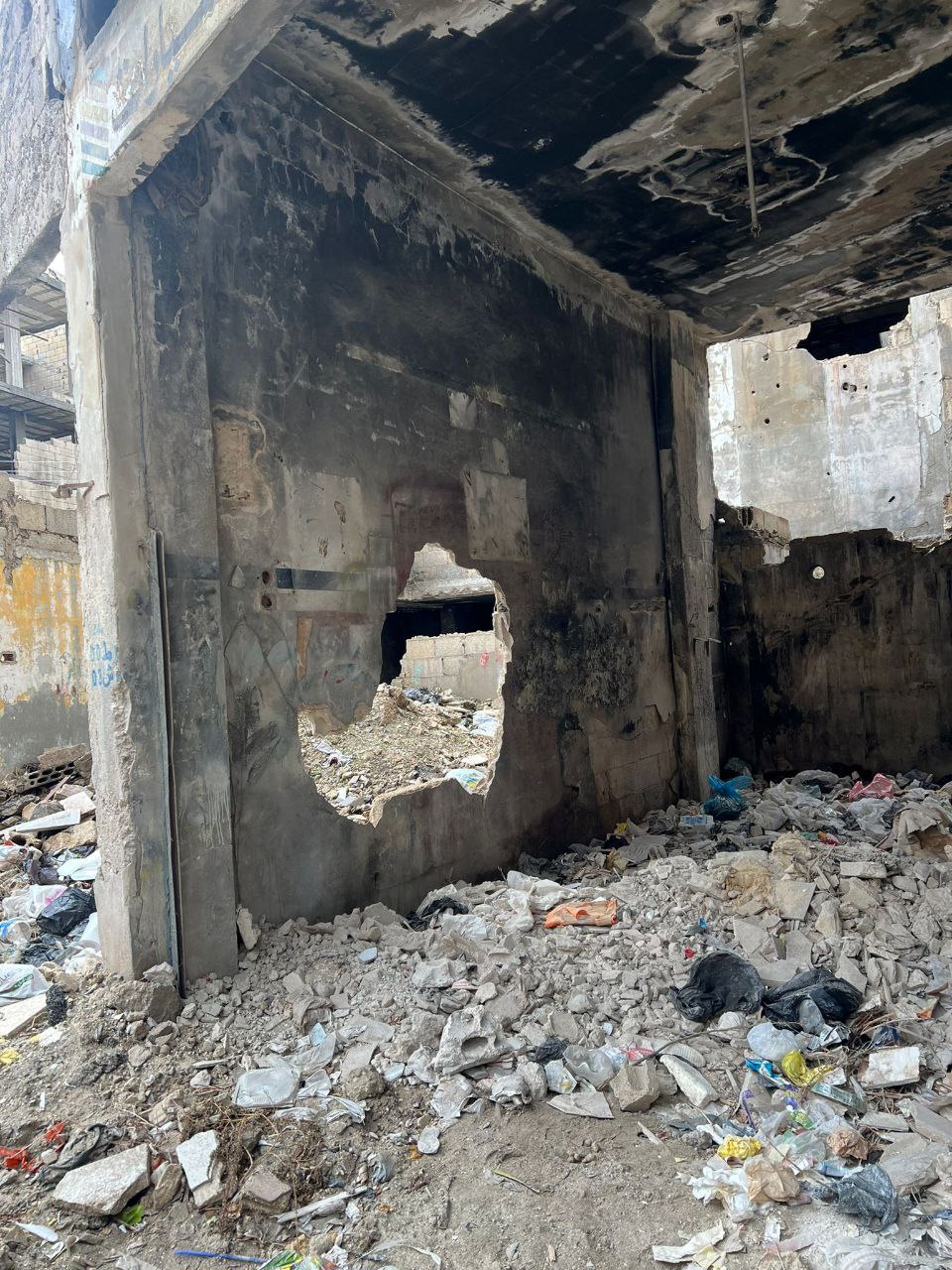
As we travelled through the surrounding countryside, we passed areas such as Anadān and Ḥuraytān. These towns suffered immense destruction during the war. From 2012 onwards, intense fighting, airstrikes, and artillery shelling destroyed civilian infrastructure. Hospitals, rehabilitation centres, and bakeries were targeted. Satellite imagery confirmed the scale of the damage. Entire communities were displaced. When you drive through such places, the word “reconstruction” feels inadequate. These are not towns that need repair. They are towns that need to be rebuilt from memory.
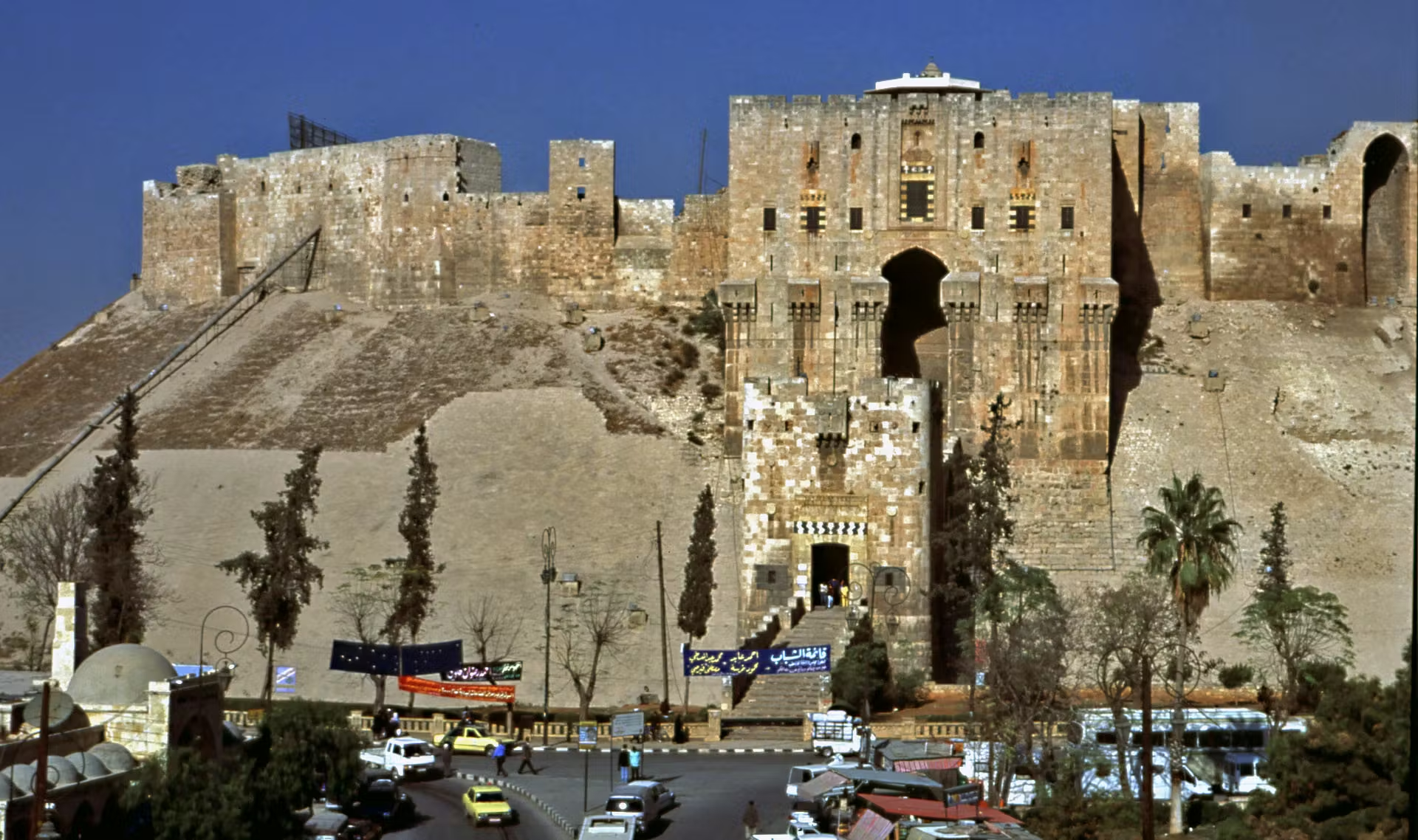
At the same time, Aleppo itself remains a city of immense historical and spiritual weight. It has always been a gateway of al Shām, strategically and culturally. Leaders understood this clearly. Ṣalāḥuddīn al Ayyūbī رحمه الله recognised Aleppo’s decisive importance, understanding that whoever secured it shaped the future of the region. Its Citadel, rising above the city, stands as a testament to centuries of defence, governance, and resilience.
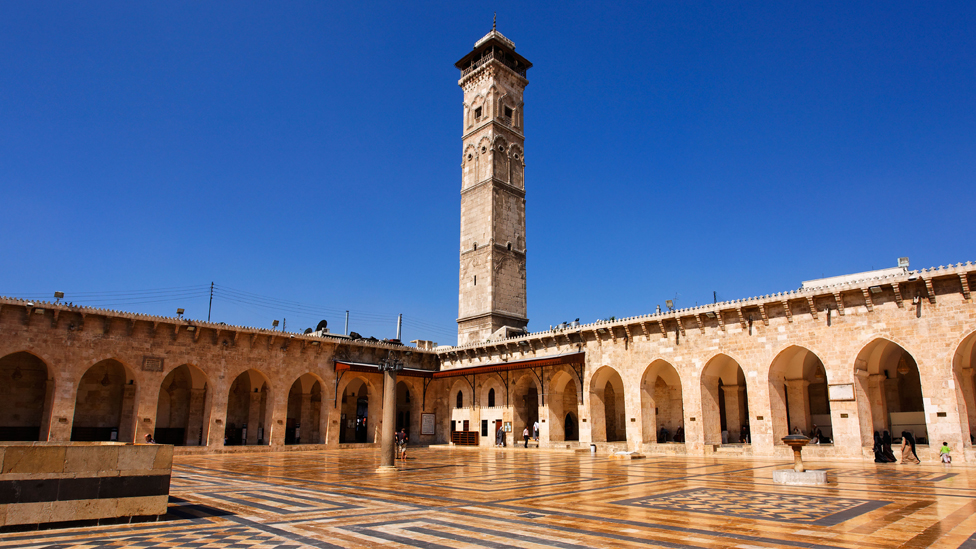
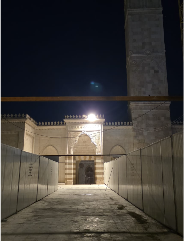
The Great Umayyad Mosque of Aleppo is another symbol of that legacy. Founded during the Umayyad period around 715 CE and rebuilt across later centuries, it became one of the oldest and largest mosques in the city. Its architecture reflected Seljuk, Ayyūbid, and Mamlūk influences, with a vast courtyard and a hypostyle prayer hall supported by dozens of columns. The mosque was long known for its Seljuk era minaret, built in the late eleventh century, which stood for nearly a thousand years before collapsing in 2013 due to the war.
The mosque reportedly housed the remains of Prophet Zakariyyā عليه السلام, further deepening its spiritual significance. It suffered severe damage during the conflict and is now undergoing reconstruction. This time, due to the security situation, we were unable to visit it. The same was true for the old souqs of Aleppo, once among the most vibrant markets in the Islamic world. Knowing what these places represent, and not being able to enter them, added another layer of grief.
Even sacred spaces were not spared in this war. Mosques became battlegrounds. The Umayyad Mosque itself suffered destruction, and in recent clashes, the Hassan Mosque in the Sheikh Maqsoud area was reportedly used as a militant base. Fighting also took place near other religious sites. When houses of worship are drawn into conflict, it shows how deeply war corrodes the fabric of society.
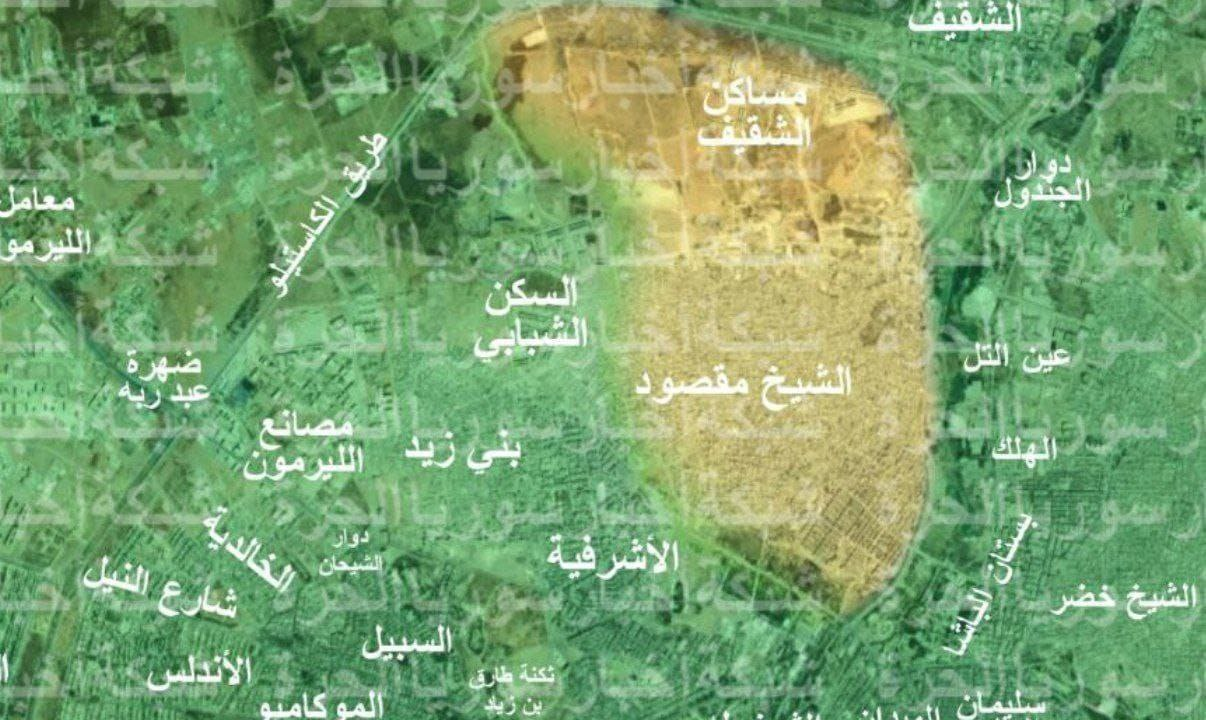
The situation in Aleppo remains complex. Kurdish forces had been based for a while in areas such as Sheikh Maqsoud and Ashrafieh. Whilst we were in Aleppo, heavy fighting erupted, followed by ceasefires and evacuations. Reports indicated that over one hundred thousand civilians, with some estimates reaching one hundred and fifty thousand, were displaced in a matter of days. Families fled with nothing but what they could carry. For them, fear was not a moment. It was an environment.
That night was heavy. Fear is educational. It teaches you what reliance truly means when control is gone. When plans collapse, when safety feels uncertain, you understand why the scholars of the past spoke so much about the heart. And you begin to grasp, even briefly, what it means for people to live like this not for one night, but for years.
Lessons in Resilience, Learning, and Forced Departure
On Wednesday, 7 January, we delivered training to teachers in a masjid in Azaz. Once again, the same feeling returned. Their engagement, sincerity, and patience outweighed anything we felt we could offer. These were not people attending out of formality. They were present, attentive, hungry for learning, despite everything they had lived through.
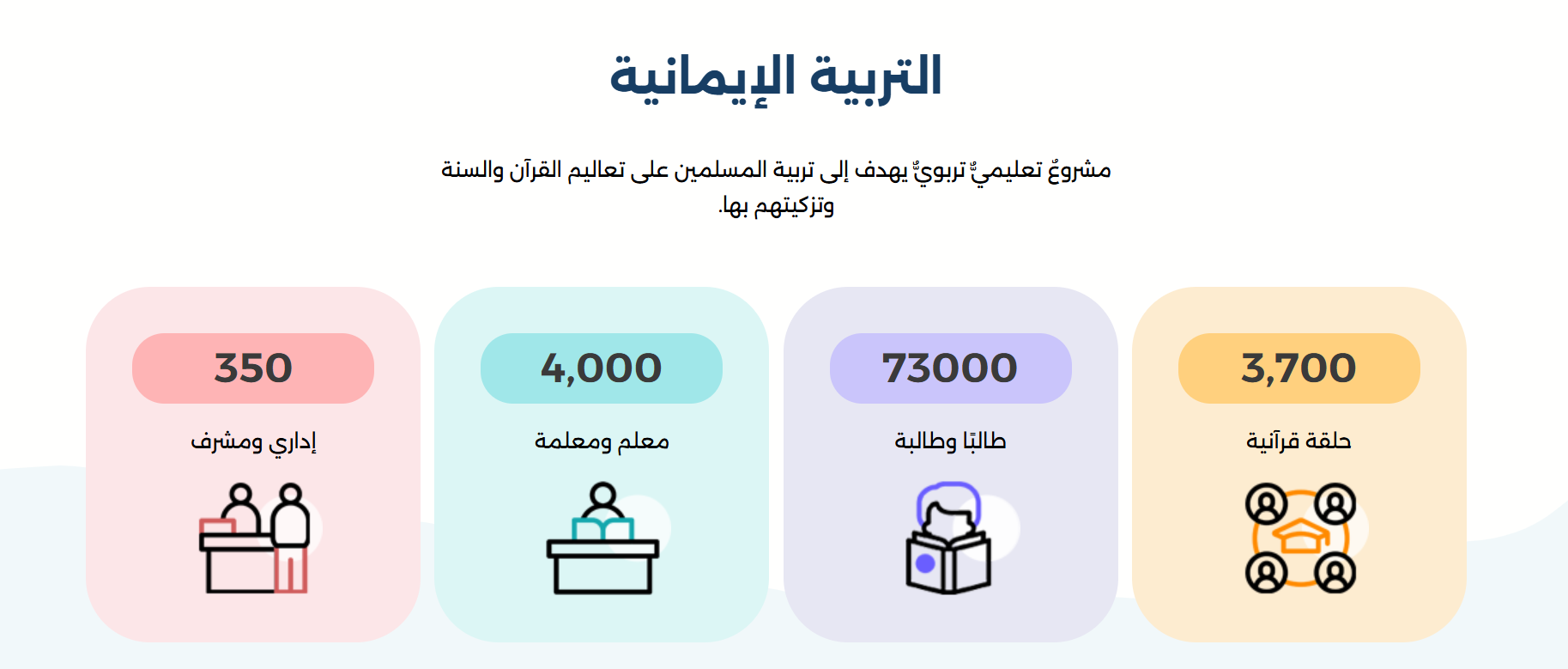
Later that day, we visited the headquarters of Tarbiyah Īmāniyyah, an educational and tarbiyah project that left a deep impression on us. Their work is centred on nurturing Muslims through the Qur’an and Sunnah, with a focus on tazkiyah, sound knowledge, and love of Allah and His Messenger ﷺ. Their vision is to raise a generation strong in īmān, firm upon the path of uprightness during times of fitnah, and confident in their Islamic identity.
Their stated goal is clear. To realise true ʿubūdiyyah to Allah, to seek His pleasure, and to strive for His Jannah. This is the very purpose for which humanity was created. Their values revolve around servitude to Allah, iḥsān, sincerity, balance, moderation, and the brotherhood of faith. What stood out was not only what they teach, but how clearly they articulate why they teach it.
Their methodology follows the prophetic model. Teaching, purification, and wisdom are not treated as separate tracks, but as one integrated process. They operate primarily through masājid, schools, and institutes, focusing on realistic planning, clear objectives, and long term consistency. Their programmes cater to all age groups, from children and youth to adults, men and women. They include memorisation programmes, recitation and ijāzah pathways, women’s education, and structured teacher training. Even in displacement, many of these programmes continue in tents and temporary spaces.
For those who want to understand Tarbiyah Īmāniyyah directly from their own presentation, they have produced short introductions in both Arabic and English.
Arabic introduction video
https://www.youtube.com/watch?v=gypk-H-vnE8
English introduction video
https://www.youtube.com/watch?v=qVgNHYNGf_U
Seeing such organisation amidst instability was humbling. Excellence here was not born out of comfort. It was born out of necessity. It reminded us that excellence is not a luxury. It is a choice, even under pressure. Many organisations are doing sincere and meaningful work across Syria, often with very little. What they have achieved in tents and temporary structures should make those of us living in comfort pause and reflect. There is so much rebuilding to be done, and not only of buildings.
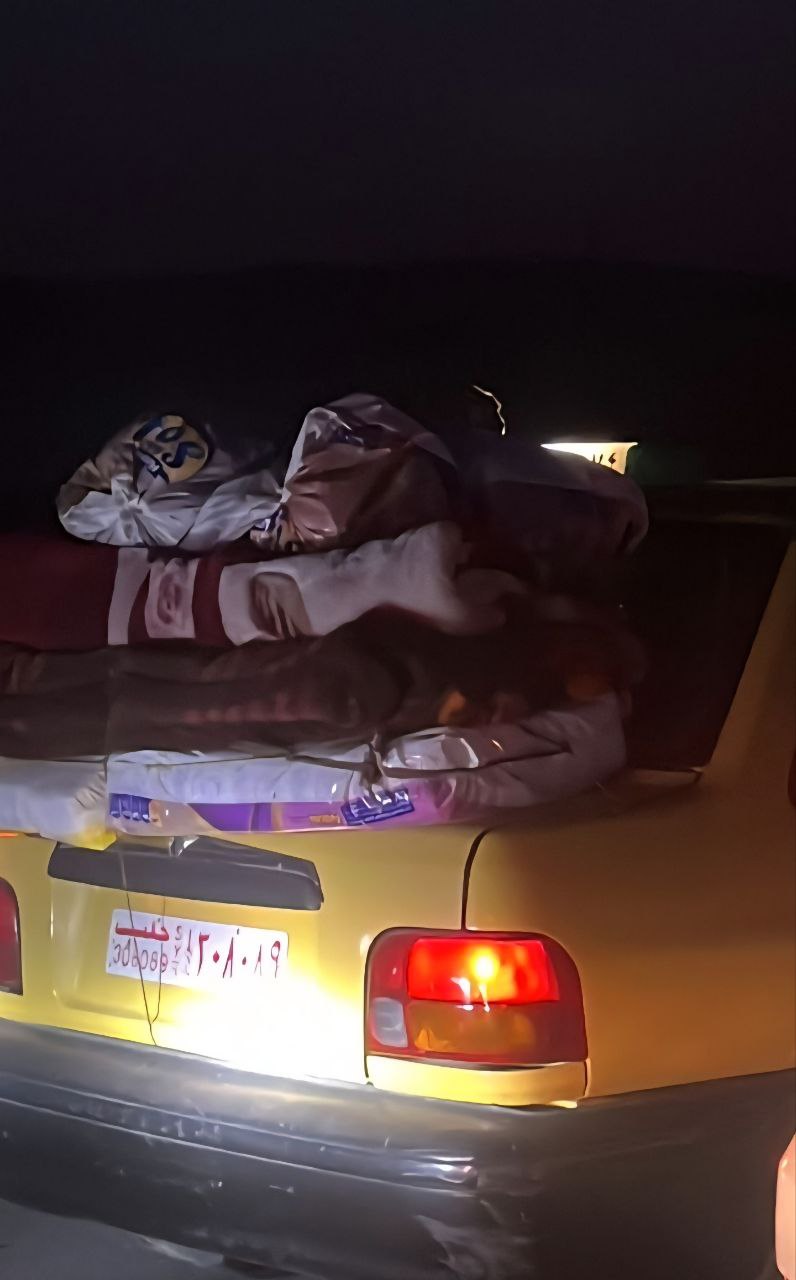
That evening, we began the long journey back to Damascus. Due to the sudden mass displacement from Aleppo, the roads were overwhelmed. Cars were packed with ten or fifteen people. Vans carried thirty or more. Families were leaving with no clear destination, only the certainty that they could not stay.
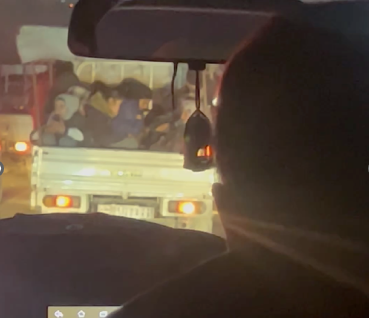
This displacement was linked to the escalation that unfolded that same day. Entire neighbourhoods in Aleppo were designated as closed military zones. Civilians were given deadlines to evacuate. Shelling followed. By the end of those days, well over one hundred thousand people had been displaced. Many fled toward Afrin, which became a primary refuge. Mosques, hostels, and collective centres were opened to accommodate families. Aid organisations and local authorities scrambled to respond. Some later returned when the situation stabilised, but many remained displaced, uncertain about what awaited them.
As we travelled, the lack of infrastructure became obvious. Roads were limited. Traffic stood still for hours. We were stuck on one stretch for nearly four hours, sitting quietly, watching families pass by with whatever they could carry. In those moments, Allah’s favour upon us felt overwhelming. We were delayed, but we were not homeless. We were tired, but we were not fleeing. Gratitude settles differently when you are forced to sit still and observe.
What stood out most was how the locals handled it. Despite the chaos, they organised. They guided traffic through side routes. They checked on people. They shared food and water. Hospitality did not disappear because of hardship. It adapted. These people are built to endure all sorts of trials. Their resilience is not loud, but it is deep.
We finally reached Damascus at 2am, exhausted and mostly silent. There was nothing left to say. Some journeys teach through words. Others teach through witnessing. That night belonged to the latter.
Ghouta and the Price of Resistance
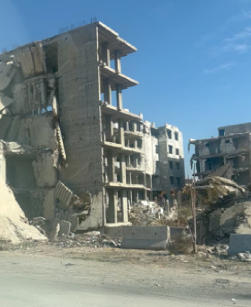
On Thursday 8 January, we returned to Ghouta. Stories of resistance, survival, and what many openly described as miracles were shared with us. Faith here was not motivational. It was not something spoken about in lessons or reminders. It was necessary. It was what people relied on when there was nothing else left to rely on.
Ghouta holds a special place in the words of the Prophet ﷺ. He informed us that at the time of the great trials, the gathering and stronghold of the Muslims would be in Ghouta, beside a city called Damascus, describing it as among the best places of al Shām. Scholars explained that the word fustāṭ refers to the main camp and refuge of the believers during immense tribulation. Standing there, surrounded by destruction, these narrations no longer felt distant or symbolic. They felt lived.
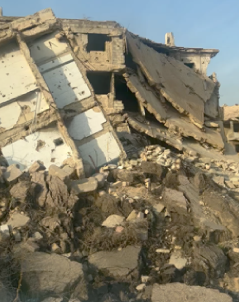
We were taken through underground tunnels. Narrow passages dug by hand, often in darkness, using basic tools, sometimes nothing more than bare hands. These tunnels were not only routes of movement. They were places where people hid, prayed, treated the wounded, and tried to preserve life. In areas like Jobar, Eastern Ghouta, and Yarmouk, going underground became the only way to survive relentless bombardment, siege, and starvation.
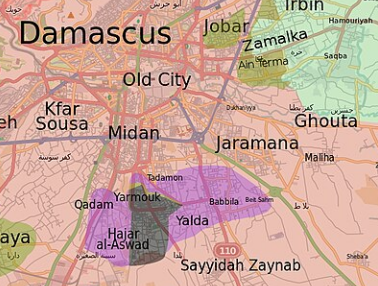
Jobar, once a living district, was almost completely erased. Most of its buildings were damaged or destroyed. Years of shelling and airstrikes flattened entire neighbourhoods. The civilian population was forced to flee, leaving behind homes that later became ghost towns filled with rubble and unexploded remnants of war.
Eastern Ghouta endured years of siege. Food and medicine were deliberately cut off. Families survived on leaves and whatever they could find. Children suffered severe malnutrition. Medical centres operated with almost nothing. Patients died waiting for permission to leave. Chemical attacks added another layer of horror to an already unbearable reality.
Yarmouk, once a vibrant Palestinian community, was sealed off entirely. Starvation was used as a weapon. People died not from bombs, but from hunger. Families were eventually forced onto buses and expelled from their homes, scattered across the north. Entire communities were emptied.
What affected us deeply were the accounts of how people resisted with almost nothing. They told us that at times they were surrounded by soldiers, yet the soldiers did not see them. They spoke of moments when escape should not have been possible, yet paths opened. They described digging tunnels by hand when no machinery existed. They spoke of having weapons with no bullets left, yet when needed, they would fire. These were not stories told with exaggeration or excitement. They were told calmly, with certainty. The belief was clear. Allah helped us.
To an outsider, these accounts may sound impossible. To those who lived it, they were experiences etched into memory. When a people have nothing left except reliance upon Allah, tawakkul stops being theoretical. It becomes survival.
That evening, I had hoped to meet a shaykh, but circumstances did not allow it. Later, while returning from browsing the famous bookshops of Damascus, places that have served students of knowledge for generations, Allah decreed otherwise. I met him unexpectedly in his own shop. It was unplanned and deeply meaningful.
He and his students spoke about current scholarly efforts in Syria, including a renewed hadith centred approach that emphasises balance, sincerity, independence from political control, and unity within a diverse society. What struck me was not the terminology, but the timing. People who have lived through siege and bombardment are still thinking about how to preserve knowledge and rebuild hearts.
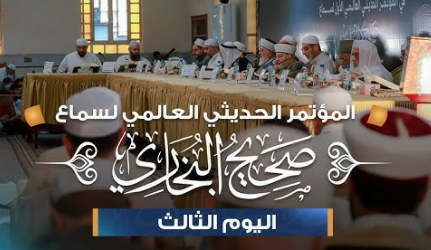
They also mentioned supporting major scholarly gatherings, including funding a khatm of Ṣaḥīḥ al Bukhārī in recent months. Hearing this in the context of everything they endured changed how it landed. These were not academic exercises. They were acts of resistance against erasure.
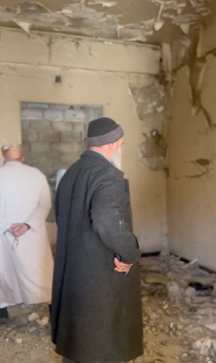
One of the people who left the deepest impression on us was Shaykh Abu Hamza, one of the most well known qurra in Syria and a respected judge in Qur’an examinations. Being with him was not simply meeting a reciter. It was meeting a man whose life has been formed by the Qur’an through hardship.
He lost his eighteen year old son in the war. Yet his grief was not loud. It was carried with a quiet firmness that only the Qur’an can produce. He took us to his home, or what remained of it, and we walked through rubble that used to be rooms, memories, and everyday life. Among the ruins, we noticed writing still visible on a wall from a time before everything changed. It read “Marhaban Ḍuyūf al-Rahman”, welcoming the guests of Allah, words which were written to welcome him when he returned from Hajj. Seeing that greeting in a destroyed home was painful. It was as if the house itself was testifying to what it once was, a place of worship, hospitality, and normal life.
We also saw traces of learning buried beneath the destruction. Notes and reminders, even English lesson material under the rubble, small signs that life had once been lived there with effort, hope, and plans for the future.
Then he led us into the room where he used to teach Qur’an. He stood in that same space and recited. It hit different because this was not a masjid with carpet and comfort. This was a classroom turned into a memory. A place where children once sat, where his own son grew up, where Qur’an was taught, and where life felt stable. Hearing Qur’an there, in a room surrounded by loss, made the recitation feel heavier and more real. It reminded us that the Qur’an is not only for peaceful moments. It is what people cling to when the world collapses.
He began his recitation with the words of Allah:
إِنَّ هَٰذَا الْقُرْآنَ يَهْدِي لِلَّتِي هِيَ أَقْوَمُ وَيُبَشِّرُ الْمُؤْمِنِينَ الَّذِينَ يَعْمَلُونَ الصَّالِحَاتِ أَنَّ لَهُمْ أَجْرًا كَبِيرًا ﴿٩﴾
Surah al-Isrā’ (17:9)
“This Qur’an guides to what is most upright, and it gives good news to the believers who do righteous deeds that they will have a great reward.”
As he recited, none of us could hold it in. We all cried. Not because the voice was beautiful, although it was, but because the Qur’an in that setting felt like light shining directly through devastation. In that moment, it became clear that Syria is not only a land of tragedy. It is also a land of Qur’an, and of men who carried it through fire, and whose lives testify to it more than their voices ever could.
When you witness what these people lived through, the stories make sense. They did not overcome because they were stronger. They overcame because Allah carried them when they had nothing left. That day in Ghouta was not simply about ruins and destruction. It was about understanding the cost of dignity, belief, and survival.
It leaves you quieter. Less certain of yourself. And far more aware of the favour Allah has placed upon you.
Homs, Martyrdom, and the Weight of Return
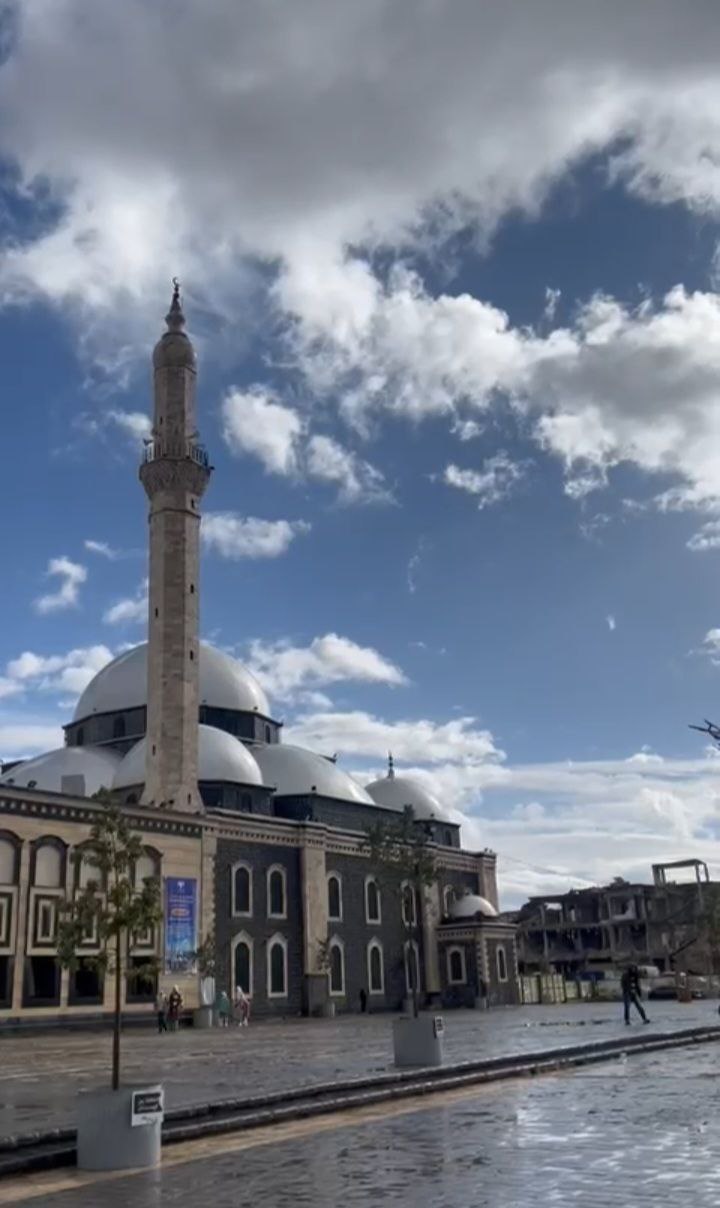
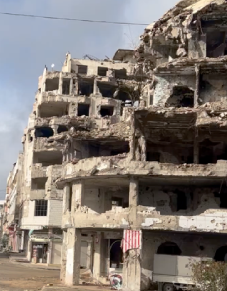
On Friday 9 January, we travelled to Homs early in the morning. Our first stop was the Masjid of Khālid ibn al-Walīd, a masjid that carries both beauty and gravity. Standing before it, you are reminded that this is not simply a place of worship, but a monument to Islamic history and sacrifice.
The mosque houses the grave of Khālid ibn al-Walīd رضي الله عنه, the Sword of Allah, the undefeated commander whose life was spent defending Islam across countless battles. Despite surviving every battlefield, he passed away on his bed, weeping that martyrdom had eluded him. His son is also buried there, as is the son of ʿUmar ibn al-Khaṭṭāb رضي الله عنه, tying this place directly to the earliest generations of Islam.
The current structure was built during the Ottoman period in the early twentieth century, replacing an earlier Mamluk mosque. Its white stone minarets and large silver dome rise over a city that has seen repeated devastation. The masjid itself was damaged during the war, and yet it still stands as a symbol of resilience. Unlike some places where historic sites are isolated from hardship, here the masjid is surrounded by scars. Destruction is not hidden. It sits openly around a space once walked by the Companions.
We also visited the grave of ʿAmr ibn ʿAbasah رضي الله عنه, one of the earliest converts to Islam. His story is one of sincerity and patience. He recognised the falsehood of idol worship even before Islam reached him. When he heard of the Prophet ﷺ, he travelled to Makkah, accepted Islam quietly, and was instructed to return to his people until the time was right. Years later, he migrated to Madinah and became known for narrating profound hadiths, particularly regarding purification and prayer. He passed away in Homs, far from the birthplace of Islam, yet deeply rooted in its legacy.
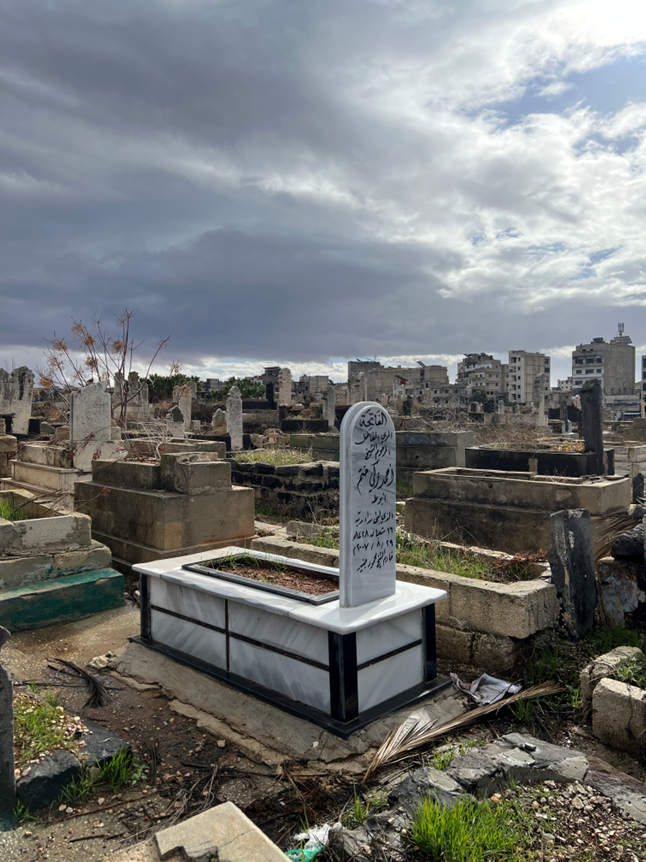
Nearby lies what is known as the graveyard of the Sahābah. War has erased much of what was once clearly marked. It is said that hundreds of Companions are buried in this area, though many graves remain unmarked due to destruction. During the conflict, tunnels were built beneath this land, and mass graves appeared as bodies arrived from hospitals and frontlines. Names were lost. Dignity was difficult to preserve. Even here, death was overwhelming.
Among those buried in that graveyard is Shaykh Mahmood, a man whose life is remembered not through titles, but through consistency. The people spoke about him with quiet certainty. He was known to arrive at the masjid an hour before every prayer, a habit he maintained for decades. It was said that for forty years, he never missed the takbīrat al-iḥrām. Not once.
In his later years, he became paralysed. Even then, his connection to the masjid and the prayer did not weaken. One night, he slept and saw the Prophet ﷺ in a dream, who instructed him to stand and give the adhān. He woke, stood up despite his condition, and went to the masjid to call the adhān for Fajr. Those who heard it said they thought they were dreaming. A man they knew to be unable to stand was calling the adhān as if nothing restrained him.
By morning, the story had spread, not as a claim of karāmāt, but as a reminder of what a life anchored to ṣalāh looks like. He is now buried in that same land, among martyrs, scholars, and unnamed souls whose lives were shaped by devotion. In a graveyard marked by war and loss, his story stands as quiet proof that Allah honours those who remain steadfast, even when their bodies fail them.
Throughout Homs, signs bearing the name Hamza al-Khaṭīb were visible. His story still lives in the hearts of the people. A thirteen year old boy whose arrest, torture, and murder became a spark for the Syrian revolution. His death exposed brutality that could no longer be hidden. Homs carries him not as a slogan, but as a memory that refuses to fade.
We prayed Jumuʿah with a scholar who had once taught one of our friends. The khutbah was simple, heavy, and sincere. Afterward, we conducted a training session before I returned to Azaz for work. Saturday and Sunday passed in constant activity, responsibility layered upon responsibility.
By Monday, it was time to return. That is when the journey took a turn none of us expected.
Aleppo airport was closed. My flight had been scheduled from there on Tuesday, but due to the situation, it was cancelled. We attempted to leave through the Kilis border by road. We were refused. Damascus flights were fully booked. Options disappeared quickly. So, we took a risk and headed toward Bab al-Hawa to exit Syria by road.
At first, things appeared manageable. I stepped away briefly to eat. When I returned, the situation had changed. Entry seemed impossible. Contacts were messaged. Favors were asked. One person told us there was only a one percent chance. Somehow, by the permission of Allah, doors opened. We crossed into Turkey.
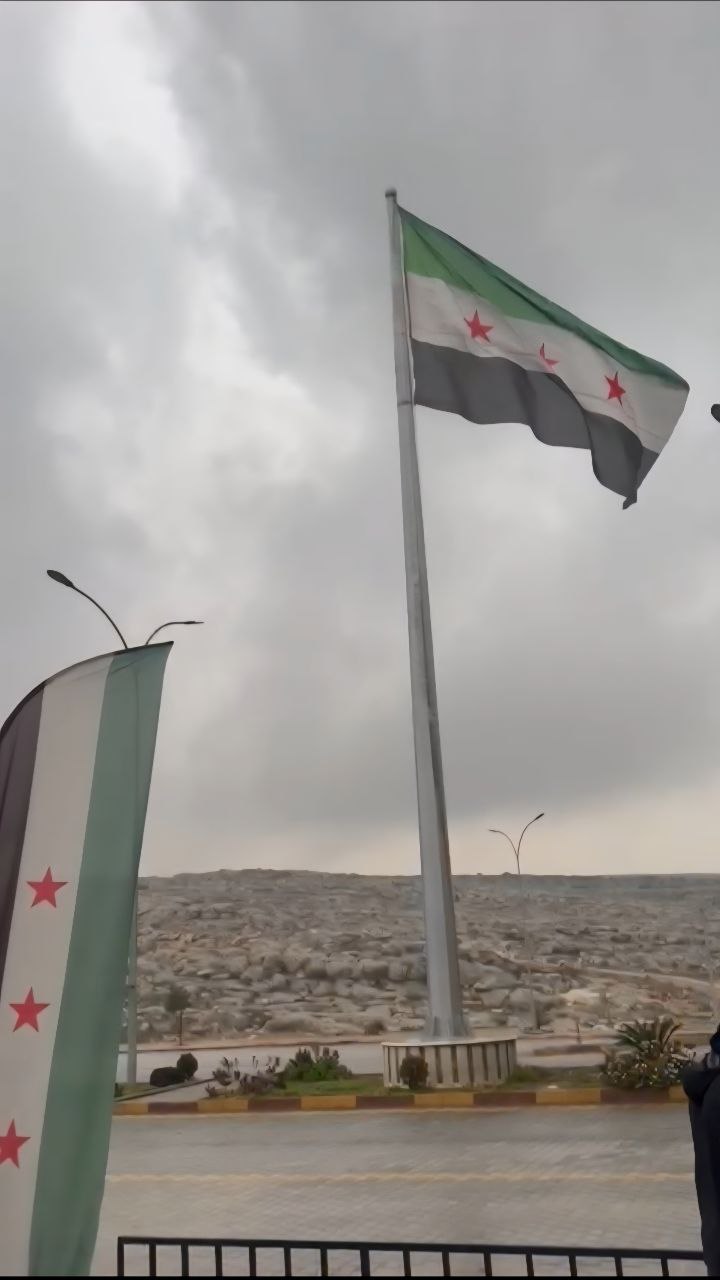
Even then, challenges followed. At the Turkish side, we were told that only Syrians were being allowed through. Again, contacts intervened. Again, we were allowed to pass. From there, we reached Gaziantep at 1 AM on Tuesday morning, to then fly onward to Istanbul, where we caught our original flight.
The journey was exhausting. My wife was harassed at Gaziantep airport because of her niqab. It was a sharp reminder of how colonial attitudes and control still surface in subtle, humiliating ways. Even in transit, dignity is not always guaranteed.
Along the way, we met a brother named Abu Muṣʿab, originally from Ghouta. He had married a woman from Gaza. Unable to return home, she had moved from Turkey to Syria. He told us repeatedly that the people of Syria reminded her of the people of Gaza. Their patience. Their generosity. Their familiarity with loss. It was the same page, written in different lands.
Leaving Syria With Proof of the Ummah Alive
On the way out of Syria, I was reminded of something deeply grounding.
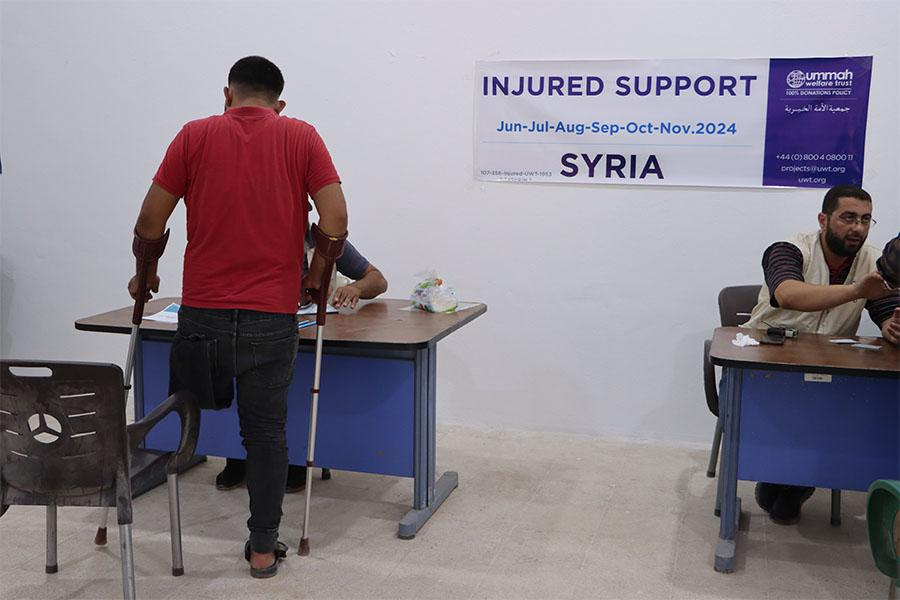
As we were walking, I met a man who asked where I was from. When I mentioned the UK, the conversation drifted naturally toward relief work and support on the ground. Without prompting, he began speaking about Ummah Welfare Trust, referring to it simply as Ummah, as though everyone knew exactly what that meant. For me, that moment landed heavily. I had seen UWT’s work firsthand, but hearing it spoken about so naturally by someone living inside the hardship gave it a different weight.
He shared parts of his own story. He had taken responsibility for a family after his wife’s first husband was killed during the civil war, leaving her with children. Loss, responsibility, and rebuilding life were not spoken about dramatically. They were spoken about as reality. He had worked closely with local councils and community structures, trying to hold things together as best as possible.
He knew UWT well because he dealt with them consistently. They were the ones looking after orphans. They were present in the systems he worked alongside. This was not distant aid. This was coordination, trust, and long-term involvement.
What struck me was how consistently UWT was mentioned when people spoke about support. Not as a charity that passed through, but as something embedded.
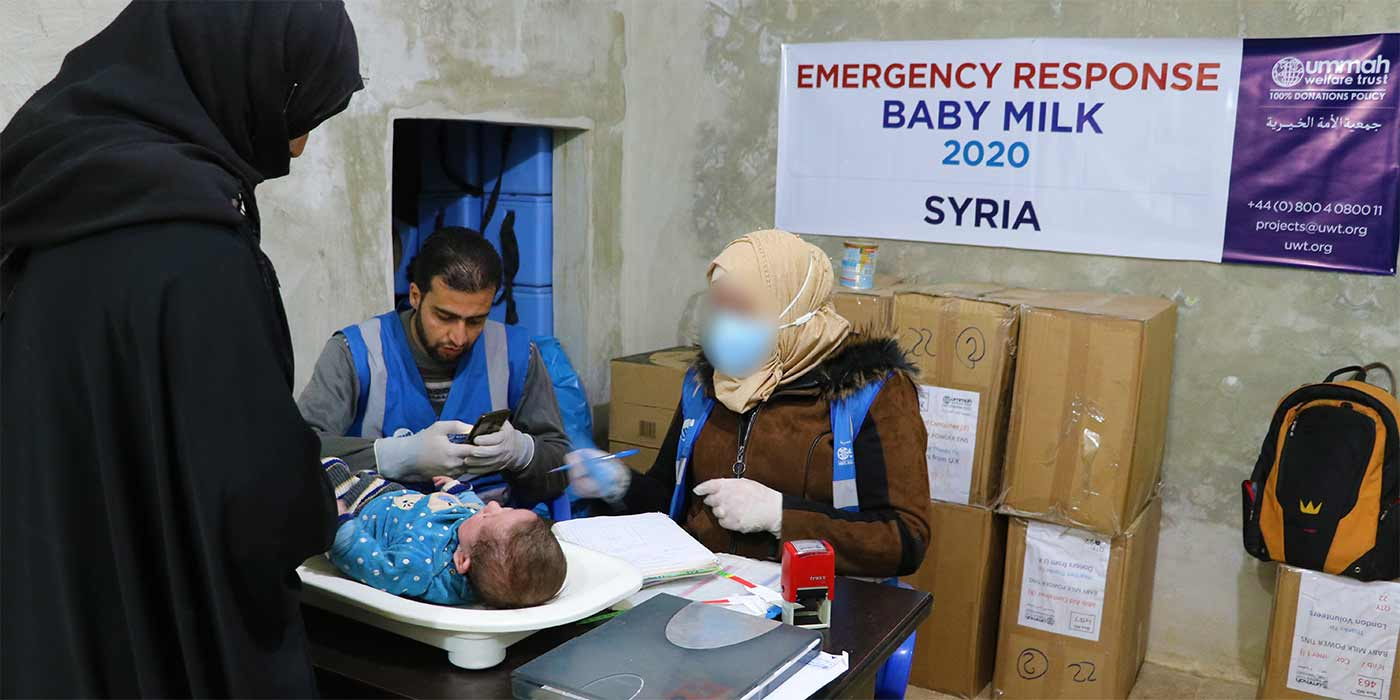
Through UWT’s work, over 1,600 babies have been supported with baby milk because many mothers simply cannot produce enough nourishment after years of trauma, malnutrition, and stress. Six hospitals have received vital medical supplies to remain operational. Around 3,000 people have received rehabilitation support, learning how to live again after injury. Over 4,000 orphans are being supported and sustained, given continuity in a world that took their parents from them. Nearly 3,000 injured individuals have been supported across the years, people whose bodies still carry the war long after the shelling stopped. Around 5,000 families receive direct support to help them survive with dignity.

One of the most striking initiatives was the free shop, where orphans, widows, and impoverished families can come and take what they need without queues or humiliation. Dignity matters here. Choice matters.
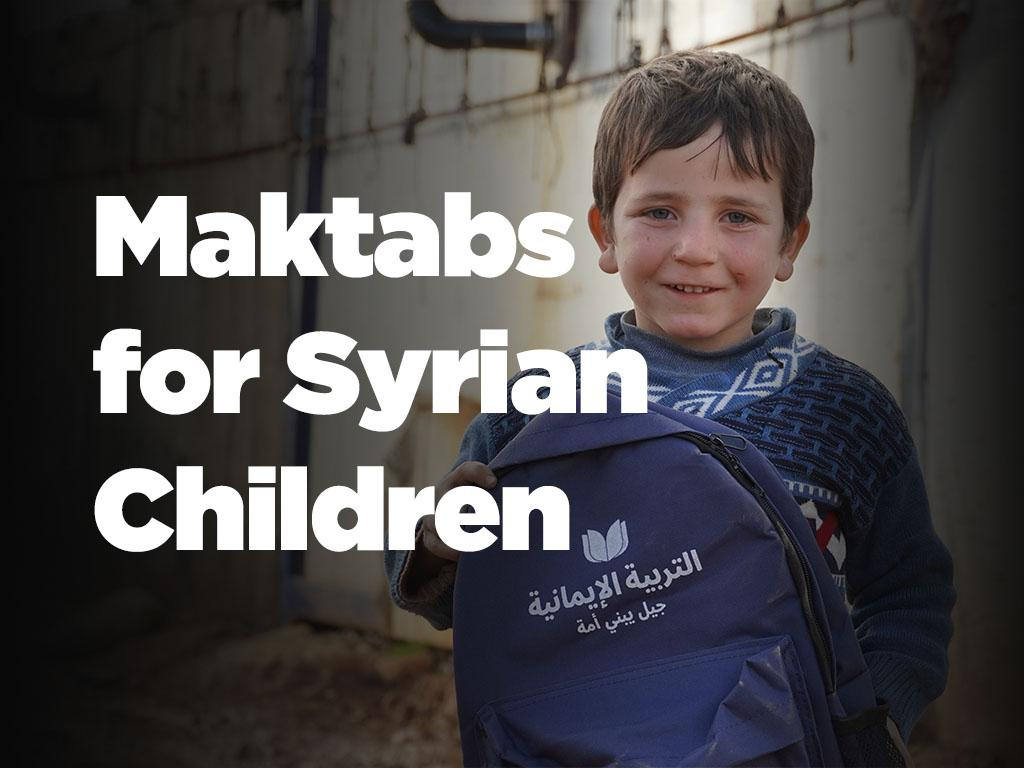
Beyond immediate relief, UWT is investing in rebuilding Syria’s future. They support around 4,000 teachers, sustaining nearly 80,000 students across the country through Qur’anic and educational programmes, with a structured system in place. This includes teacher salaries, stationery, books, monitoring, training, and examinations. This is not informal charity. This is organised, accountable, and intentional. This is not short-term aid. This is generational work.
What struck me most was how visible this presence was. I saw UWT’s name in hundreds of masājid, not only through aid, but through remembrance. Athkār after ṣalāh. Qur’anic spaces. Places where parents once stood, where children now stand. These are not just buildings. They are continuations of memory, family, and faith.
It would be wrong to suggest that UWT is alone in this. Many UK charities and organisations are doing sincere and vital work across Syria. I mention UWT simply because I personally witnessed their footprint repeatedly, in villages, in cities, in masājid, and in conversations. Others are undoubtedly serving with the same sincerity.
Since the beginning of the Syrian civil war, UWT has spent over ninety five million pounds responding to the crisis. The work began with refugees fleeing Darʿāʾ, the cradle of the revolution, then moved to Jordan and Turkey, and eventually deep inside Syria itself for over a decade. The support followed the people wherever they were forced to go.
If this moved you, don’t let it end at reading. Be part of rebuilding Syria through ongoing, structured support for orphans, families, medical needs, and Qur’anic education.
Support Ummah Welfare Trust here:
https://donatelive.uwt.org/projectlisting
Even one sponsorship can carry barakah for a lifetime. Imagine the duʿāʾ of an orphan, a mother, or a teacher whose class continues because you helped keep it alive.
Leaving Syria that day, I did not only carry images of destruction. I carried proof. Proof that rebuilding Syria is not only about concrete and roads. It is about children being fed, teachers being supported, orphans being raised, masājid remaining alive, and parents knowing their duʿāʾs are still being heard.
That is what the ummah looks like when it shows up.
Return
On Sunday morning during our trip, we received news that my cousin (Farhan Patel) had passed away in a car crash. The people around me made duʿāʾ. Down there, death arrives suddenly and often. People have learned to live with it close. Even after returning from Istanbul to England, where everything moved smoothly, my mind could not switch off. Death felt near. Constant. I became paranoid, hyper aware of how fragile life is.
This journey taught me many things, but above all, it taught me how deeply war reshapes the soul. Leaving Syria physically is one thing. Leaving it mentally is another. The ease we return to feels unfamiliar after witnessing how people live with uncertainty, loss, and faith intertwined.
Some journeys do not end when the plane lands. They stay with you, quietly reordering how you see the world, life, and the favour Allah has placed upon you.